Dinosaurs Devoured Prey: What’s the Proven Method?
Dinosaurs devoured prey using techniques revealed in a new study. Discover the fascinating findings about their hunting methods.
dinosaurs devoured prey in ways that scientists are now beginning to understand. A recent study has shed light on the techniques these ancient creatures used to catch their meals, revealing a complex and effective hunting strategy.
New Insights into Dinosaur Hunting
Recent research has shed light on the fascinating methods dinosaurs employed to hunt and devour their prey. By examining fossilized remains and advanced imaging techniques, scientists have uncovered new insights into the hunting strategies of these ancient creatures.
Key findings from the study include:
- Large teeth and strong jaws: Many carnivorous dinosaurs had specialized dental structures that allowed them to grip and tear flesh effectively.
- Group hunting: Evidence suggests some species may have hunted in packs, increasing their chances of capturing larger prey.
- Ambush tactics: Certain dinosaurs likely relied on stealth and surprise, waiting for the ideal moment to strike.
- Digestive adaptations: Anatomical features indicate that dinosaurs had evolved to process various types of meat efficiently, enabling them to thrive in diverse environments.
These insights into how dinosaurs devoured their prey not only enhance our understanding of their behavior but also contribute to the broader picture of prehistoric ecosystems.
How Did Dinosaurs Hunt?
Recent studies have unveiled fascinating insights into how dinosaurs hunted their prey. These ancient creatures employed a variety of techniques that showcased their adaptability and survival skills.
Key methods of hunting included:
- Ambush Tactics: Some dinosaurs used stealth to surprise their prey, hiding in vegetation and waiting for the perfect moment to strike.
- Pack Hunting: Evidence suggests that certain species hunted in groups, coordinating their efforts to take down larger prey efficiently.
- Speed and Agility: Many carnivorous dinosaurs were built for speed, allowing them to chase down or outrun their targets.
- Stalking Behavior: Similar to modern predators, some dinosaurs would stalk their prey from a distance, using their keen senses to detect movement.
These methods highlight the complexity of dinosaur behavior and their ability to adapt to various environments. Ultimately, the study of how dinosaurs devoured prey continues to provide valuable insights into their ecological roles.
The Role of Teeth in Prey Capture
The role of teeth in prey capture among dinosaurs is a critical aspect of understanding how these ancient creatures devoured prey. Dinosaurs had a variety of tooth shapes and sizes, which were adapted to their specific feeding habits and diets.
For instance, carnivorous dinosaurs like Tyrannosaurus rex possessed sharp, serrated teeth designed for slicing through flesh. In contrast, herbivorous dinosaurs such as Triceratops had flat, grinding teeth suited for breaking down tough plant material. This specialization allowed dinosaurs to efficiently exploit their ecological niches.
Research has shown that tooth structure directly influences hunting strategies. Some dinosaurs used their teeth to grip and hold onto struggling prey, while others may have employed a rapid biting motion to maximize damage. Additionally, the alignment and strength of the teeth played a crucial role in determining the success rate of capturing prey.
In summary, the diversity of dental adaptations among dinosaurs highlights the evolutionary strategies they developed to effectively devour prey, showcasing their role as dominant predators in prehistoric ecosystems.
Comparing Modern Predators
In understanding how dinosaurs devoured prey, it is beneficial to draw comparisons with modern predators. Numerous contemporary carnivores exhibit hunting techniques that offer insights into the behaviors of their prehistoric counterparts. For instance, large cats like lions and tigers employ stealth and teamwork to ambush their victims, a tactic that may parallel the hunting strategies of pack-dwelling dinosaurs.
Moreover, birds of prey, such as eagles and hawks, demonstrate remarkable diving techniques and precision strikes. These birds use sharp talons to grasp and hold onto their prey, similar to how some theropod dinosaurs might have utilized their claws to secure a meal.
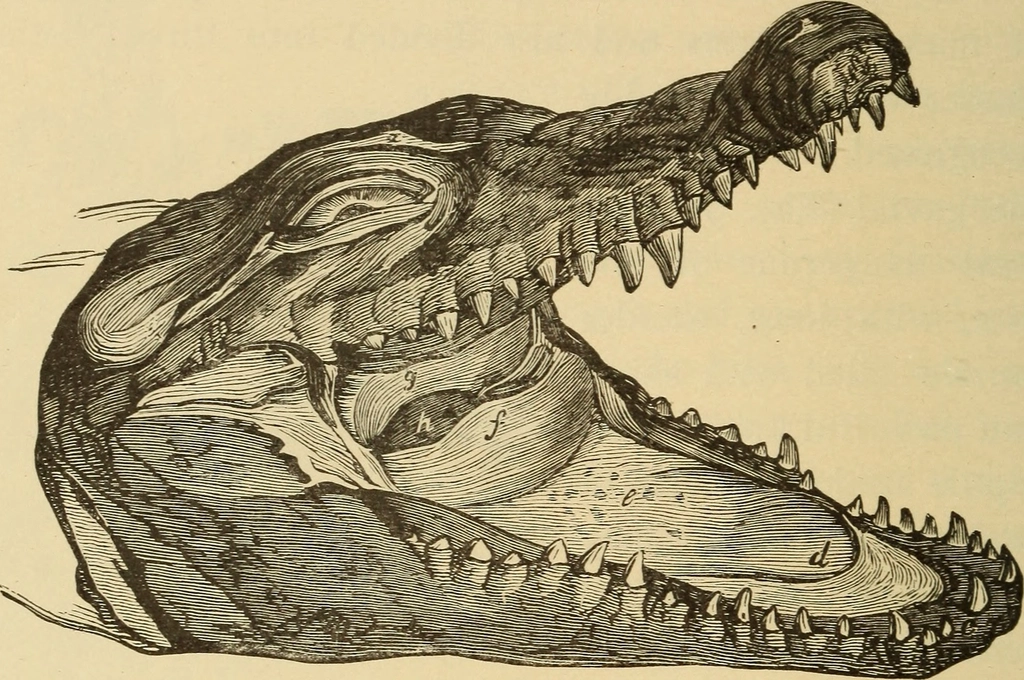
Additionally, the feeding habits of reptiles, such as crocodiles, highlight the importance of powerful jaws and the ability to swallow large prey whole. This method may have been employed by some dinosaurs as they devoured prey, suggesting a range of strategies that these ancient creatures might have adopted to thrive in their ecosystems.
- Lions and tigers: Stealth and teamwork
- Eagles and hawks: Precision strikes
- Crocodiles: Powerful jaws and swallowing
Implications for Paleontology
The recent study on how dinosaurs devoured prey has significant implications for the field of paleontology. By providing a clearer understanding of their hunting strategies and feeding behaviors, researchers can refine existing theories about dinosaur ecology and evolution.
One major implication is the reevaluation of the dietary habits of various dinosaur species. The findings suggest that certain dinosaurs may have employed more sophisticated hunting techniques than previously thought, which could lead to a shift in how scientists categorize these creatures. Furthermore, the study highlights the importance of dental morphology in understanding feeding adaptations.
In light of this research, paleontologists may also need to reconsider the relationships between dinosaurs and their environments. The way dinosaurs devoured prey could reveal insights into their interactions with other species, including competitors and prey. This newfound knowledge may drive future research directions, pushing scientists to explore the functional adaptations of dinosaurs in greater depth.
Ultimately, the implications of this study extend beyond the dinosaurs themselves, influencing our understanding of prehistoric ecosystems as a whole.
Future Research Directions
As researchers continue to unlock the secrets of the past, future research directions in the study of how dinosaurs devoured prey are becoming increasingly critical. Advances in technology and methodologies are expected to shed light on the specific mechanics of hunting and feeding behaviors.
Some potential areas of focus include:
- Biomechanical Analysis: Utilizing computer simulations to recreate the feeding strategies of different dinosaur species could provide deeper insights into their prey capture techniques.
- Fossil Evidence: Analyzing new fossil finds, including those with preserved stomach contents, might reveal dietary preferences and hunting habits.
- Comparative Studies: Examining the feeding habits of modern reptiles and birds can offer parallels that help clarify how dinosaurs devoured prey.
- Ecological Context: Understanding the environments in which these creatures lived will enhance our knowledge of their predatory behaviors and interactions with other species.
These avenues of exploration promise to enrich our understanding of dinosaurs and their ecological roles in prehistoric ecosystems.
Research suggests that the way dinosaurs devoured prey varied significantly among different species, highlighting their unique hunting strategies. Understanding how dinosaurs devoured prey can provide insight into their ecological roles during the Mesozoic era.
Openverse