Stonehenge Altar Stone Mystery: Clear Theories Overturned
Stonehenge Altar Stone mystery reveals new theories overturned, leaving experts puzzled about its origins and purpose.
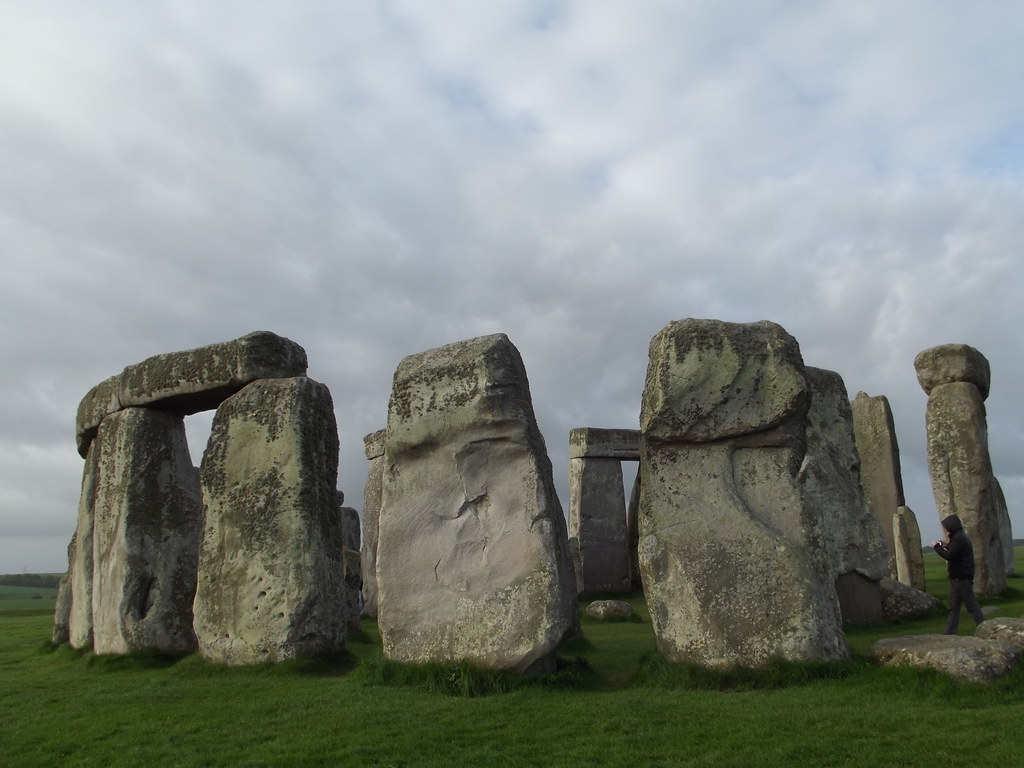
The Stonehenge Altar Stone mystery continues as new evidence has overturned previous theories. Experts are left grappling with the implications of these findings.
What is the Stonehenge Altar Stone?
The Stonehenge Altar Stone is a significant artifact within the iconic prehistoric monument located in Wiltshire, England. This large, flat stone is believed to have played a crucial role in the ceremonial practices of ancient societies. Traditionally thought to be a piece of the site’s central structure, the Altar Stone has long been shrouded in mystery, with various theories proposed regarding its origins and purpose.
Recent studies have challenged previous assumptions about the Altar Stone, suggesting that it may not have originated from the local area as once thought. Instead, researchers are now investigating the possibility that it was transported from a much greater distance. This shift in understanding opens new avenues for exploring the cultural and historical significance of the Stonehenge site.
Despite the ongoing research, several questions remain unanswered, particularly regarding the Altar Stone’s role in rituals and its connection to other stones within the monument. As investigations continue, the Stonehenge Altar Stone mystery captivates both scholars and enthusiasts alike.
Historical Significance of Stonehenge
The historical significance of Stonehenge extends far beyond its impressive structure. As one of the most iconic prehistoric monuments in the world, its mysteries have captivated historians, archaeologists, and visitors alike. Among these mysteries is the Stonehenge Altar Stone, which has long been a subject of intrigue regarding its purpose and origins.
Recent research has challenged previous theories about the Altar Stone, suggesting that its function may not have been solely ritualistic as once believed. This has led to a reevaluation of the site’s role in Neolithic society. Some scholars propose that it served as a gathering place for communal events, while others argue it played a crucial part in astronomical alignments.
Furthermore, the Altar Stone’s unique characteristics have sparked debates about its origins and the techniques used in its transportation. The ongoing investigation into the Stonehenge Altar Stone mystery underscores the complexity of this ancient site and the cultural significance it held for the people of its time.
- Potential communal gathering space
- Astronomical alignment implications
- Debates over origins and transportation techniques
Recent Discoveries and Theories
Recent discoveries surrounding the Stonehenge Altar Stone mystery have sparked renewed interest among archaeologists and historians alike. For years, the prevailing theories suggested that the Altar Stone served primarily as a sacrificial site, linked to ancient rituals and ceremonies. However, recent analyses of the stone’s geological composition and surrounding artifacts have led researchers to reconsider these long-held beliefs.
One significant finding indicates that the Altar Stone may not have originated from the local area, as previously thought. Instead, its unique properties suggest a more distant source, prompting questions about how and why it was transported to Stonehenge. This has opened up new avenues of exploration regarding its purpose and the social dynamics of the time.
Moreover, the examination of burial practices in nearby sites has revealed alternative uses for the stone, which could range from a ceremonial marker to a communal gathering point. As theories continue to evolve, the Stonehenge Altar Stone mystery remains a captivating subject that highlights the complexity of prehistoric rituals and the significance of this iconic monument.
Experts Weigh In on New Findings
Recent investigations into the Stonehenge Altar Stone mystery have prompted experts to reconsider long-standing theories about its purpose and origins. Archaeologists and historians have gathered to discuss findings that challenge previous assumptions, leading to a renewed debate on the stone’s significance.
Dr. Emily Harris, a leading archaeologist, stated, “The Altar Stone has been viewed primarily as a religious artifact, but new evidence suggests it may have served a more complex role in the community.”
Key points raised during the discussions include:
- Geological Analysis: Recent tests have revealed that the stone may not be local, indicating trade or transportation methods previously unconsidered.
- Symbolic Function: Some experts propose that the Altar Stone was part of a larger ceremonial system, rather than a standalone object.
- Social Dynamics: The stone could reflect the social hierarchies of the time, challenging the notion of it being solely a religious symbol.
As more findings emerge, the mystery surrounding the Stonehenge Altar Stone continues to deepen, inviting further research and discussion.
Public Reactions to the Mystery
The recent overturning of established theories about the Stonehenge Altar Stone has sparked a wave of public reactions, with many voicing their intrigue and skepticism. Social media platforms have become a bustling hub for discussions, as enthusiasts and skeptics alike share their thoughts on the Stonehenge Altar Stone mystery.
- Curiosity: Many individuals express a heightened interest in the history of Stonehenge, wanting to dive deeper into the archaeological implications of the new findings.
- Disappointment: Some long-time followers of Stonehenge research feel disheartened, as they had invested emotional energy in previous theories that have now been discredited.
- Speculation: A significant number of people are speculating about alternative explanations for the Altar Stone’s purpose, leading to a resurgence of theories that had been previously dismissed.
Overall, the response reflects a mix of fascination and frustration, underscoring the enduring allure of Stonehenge and its enigmatic past.
Future Research Directions
The ongoing Stonehenge Altar Stone mystery has sparked a renewed interest in the ancient site, prompting researchers to explore new avenues of investigation. Future research directions aim to uncover the truth behind the Altar Stone’s origins and its purpose within the larger context of Stonehenge.
- Advanced Dating Techniques: Scientists are looking into employing more precise dating methods to determine when the Altar Stone was placed at the site, which could provide insight into its significance.
- Geochemical Analysis: By analyzing the stone’s composition, researchers may identify its source and understand how it was transported to Stonehenge.
- Archaeological Excavations: Additional digs around the site could reveal artifacts or features that link the Altar Stone to specific rituals or cultural practices.
- Collaborative Studies: Interdisciplinary teams, including geologists, archaeologists, and historians, are essential for piecing together the Altar Stone’s role within the broader narrative of Stonehenge.
As new technologies and methods emerge, the hope is that these efforts will lead to breakthroughs in our understanding of this enduring enigma.
Conclusion: What’s Next for Stonehenge?
The ongoing exploration of the Stonehenge Altar Stone mystery has led to significant shifts in our understanding of this ancient monument. As researchers delve deeper into its origins and purpose, the conclusions drawn from recent studies challenge long-held beliefs about Stonehenge’s construction and use. The overturning of previous theories has sparked a renewed interest in the site, prompting both scholars and the public to reconsider its historical context.
Looking ahead, several key areas of research are poised to provide further insights into the Altar Stone’s significance. These include:
- Advanced archaeological techniques that may uncover new evidence.
- Interdisciplinary studies combining geology and archaeology for a holistic view.
- Public engagement initiatives to foster a deeper appreciation of Stonehenge’s cultural impact.
As investigations continue, the collaboration between experts and the community will be crucial in unraveling the Stonehenge Altar Stone mystery and ensuring the preservation of this iconic landmark for future generations.
Recent discoveries have shed new light on the Stonehenge Altar Stone mystery, challenging long-held beliefs about its origins. As researchers delve deeper, the Stonehenge Altar Stone mystery continues to intrigue both historians and archaeologists alike.
By Stonehenge Stone Circle News www.Stonehenge.News via Openverse