Beaver Moon supermoon: Is it the best full moon to see?
Beaver Moon supermoon brings stunning views and excitement for skywatchers this November. Discover what makes it special!
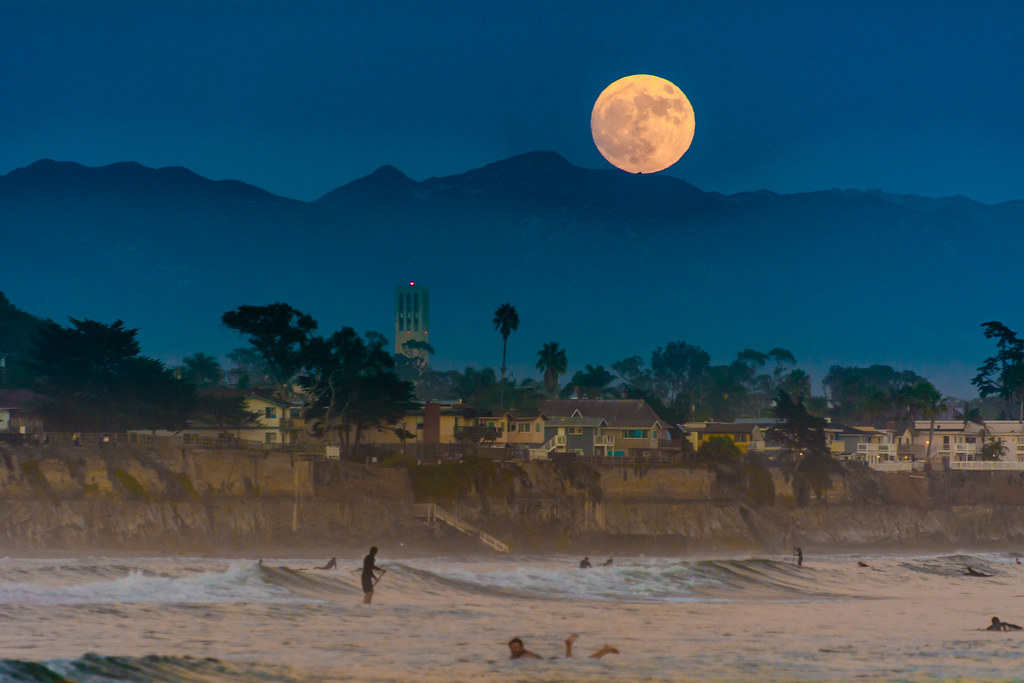
Beaver Moon supermoon dazzles skywatchers this November with its stunning presence. This celestial event has captured the attention of astronomy enthusiasts and casual observers alike.
What is a Beaver Moon supermoon?
The Beaver Moon supermoon is a captivating astronomical event that occurs in November when the full moon coincides with its closest approach to Earth, also known as perigee. This phenomenon enhances the moon’s brightness and size, creating a stunning visual spectacle for skywatchers across the globe.
Traditionally, the Beaver Moon gets its name from the time of year when Native Americans would set their traps to catch beavers before the winter freeze. This lunar event serves not only as a reminder of natural cycles but also as an opportunity for stargazers to appreciate the beauty of the night sky.
During a Beaver Moon supermoon, observers can enjoy remarkable views as the moon appears approximately 14% larger and 30% brighter than a standard full moon. Many enthusiasts take advantage of this event to capture breathtaking photographs, highlighting the moon’s striking details and its impact on the surrounding landscape.
Overall, the Beaver Moon supermoon is considered one of the best full moons to see, drawing crowds eager to witness its magnificent glow.
How to view the Beaver Moon supermoon
To fully enjoy the spectacle of the Beaver Moon supermoon, skywatchers should consider a few tips for optimal viewing. The Beaver Moon supermoon occurs when the moon is at its closest point to Earth, making it appear larger and brighter than usual.
Here are some suggestions for the best viewing experience:
- Choose the right location: Find an open area away from city lights and pollution. Parks or elevated spots can offer a clearer view.
- Check the weather: Clear skies are essential for viewing the Beaver Moon supermoon. Monitor local weather forecasts to pick the best night.
- Timing is key: The supermoon will be most visible when it rises just above the horizon, so arrive early.
- Bring binoculars or a telescope: While the moon is stunning to see with the naked eye, binoculars can enhance your experience and reveal more details.
By following these tips, you can make the most of this spectacular event and enjoy the beauty of the Beaver Moon supermoon.
The science behind supermoons
The phenomenon of a supermoon occurs when the Moon is at its closest point to Earth in its orbit, known as perigee. This brings the Moon significantly closer than usual, making it appear larger and brighter in the night sky. The Beaver Moon supermoon, which occurs in November, is particularly notable as it coincides with the time when beavers are typically preparing for winter, hence its name.
During a supermoon, the Moon can appear up to 14% larger and 30% brighter than when it is at its farthest point, or apogee. This impressive display is caused by the combination of the Moon’s elliptical orbit and its alignment with the Earth and the Sun. Astronomers and skywatchers alike often recommend viewing supermoons in locations with minimal light pollution to fully appreciate their beauty.
In addition to its visual spectacle, the Beaver Moon supermoon can also influence tides, leading to higher than normal tides known as “king tides.” This natural event captivates both casual observers and dedicated astronomers.
Historical significance of the Beaver Moon
The Beaver Moon, which appears in November, has a rich historical significance tied closely to the changing seasons. Traditionally, this full moon was named by Native American tribes as a signal to prepare for winter. It was the time when beavers were actively preparing their lodges for the cold months ahead, making it a vital period for trapping and harvesting these animals.
In many cultures, the Beaver Moon is also associated with the onset of winter hunting. As temperatures drop and snow begins to cover the ground, communities would rely on this lunar phase to plan their activities and ensure food supplies for the colder months. The Beaver Moon supermoon, with its larger and brighter appearance, serves as a reminder of these historical practices and the natural rhythms of life.
Today, while few rely on the Beaver Moon for survival, it continues to capture the imagination of skywatchers and photographers alike, offering a stunning backdrop for reflection on nature’s cycles and the heritage of those who came before us.
Best locations for moon viewing
For those looking to experience the breathtaking beauty of the Beaver Moon supermoon, choosing the right location is crucial. Here are some of the best spots across the country to catch a glimpse of this celestial event:
- National Parks: Parks like Yellowstone and Yosemite provide stunning natural backdrops, free from city lights.
- Rooftop Bars: Urban dwellers can head to rooftop bars in cities like New York or Chicago, where panoramic views offer a unique perspective.
- Beaches: Coastal areas, such as Miami Beach and Malibu, allow moon gazers to enjoy the reflection of the moonlight on the water.
- Mountains: High elevations, like those in the Rocky Mountains, can enhance the viewing experience with clearer skies.
Whichever location you choose, be sure to arrive early to secure a good spot and enjoy the enchanting sight of the Beaver Moon supermoon illuminating the night sky.
Photography tips for capturing the supermoon
Capturing the beauty of the Beaver Moon supermoon can be a rewarding experience for photographers and skywatchers alike. Here are some tips to help you take stunning photos of this celestial event:
- Use a tripod: A stable base is essential for clear, sharp images, especially in low-light conditions.
- Choose the right lens: A telephoto lens can help you capture detailed shots of the moon, while a wide-angle lens can include more of the landscape in your frame.
- Adjust your settings: Use a low ISO to reduce noise, a small aperture for greater depth of field, and experiment with exposure times to find the perfect balance.
- Plan your composition: Incorporate foreground elements like trees or buildings to create a more dynamic image. This can provide context and enhance the overall impact of your Beaver Moon supermoon photos.
- Be patient: The best shots often come after waiting for the right moment, so take your time and enjoy the experience.
With these tips, you’re sure to capture the enchanting allure of the Beaver Moon supermoon.
By beltz6 via Openverse