Australian stick insect species: Clear case of mistaken identity
Australian stick insect species reveals a fascinating case of mistaken identity in the world of entomology.
The Australian stick insect species has recently been discovered, revealing a fascinating case of mistaken identity in the insect world. This new finding sheds light on the complexities of biodiversity in Australia.
What is the Australian stick insect species?
The discovery of a new Australian stick insect species has shed light on the complexities of these fascinating creatures. Often mistaken for one another, many species in this group exhibit remarkable similarities in appearance, making identification challenging for both enthusiasts and researchers alike.
Stick insects, known for their incredible camouflage, can easily blend into their surroundings, mimicking twigs and branches. This natural adaptation helps them evade predators, but it can also lead to confusion when it comes to classification.
Recent studies have highlighted the importance of genetic analysis in distinguishing between species. Researchers have discovered that what was once thought to be a single species is, in fact, several distinct Australian stick insect species. This revelation emphasizes the need for further research and a deeper understanding of biodiversity within this unique group of insects.
- Camouflage as a survival tactic
- Challenges in species identification
- Importance of genetic research
Importance of biodiversity in Australia
Biodiversity plays a crucial role in maintaining the health of ecosystems, and Australia is known for its unique array of flora and fauna. The discovery of new Australian stick insect species highlights the importance of understanding and preserving this biodiversity.
Several reasons underscore the need to protect diverse species:
- Ecosystem Stability: Diverse species contribute to ecosystem resilience, helping to withstand environmental changes.
- Scientific Research: Each species, including the various Australian stick insect species, offers insights into evolutionary processes and ecological interactions.
- Cultural Significance: Indigenous communities have long recognized the value of biodiversity for their cultural heritage and traditional practices.
- Economic Benefits: Healthy ecosystems provide resources such as food, medicine, and tourism opportunities.
Preserving biodiversity is not just an environmental issue; it is essential for the well-being of future generations.
How was the mistaken identity discovered?
Researchers made a surprising discovery regarding the Australian stick insect species when they examined genetic data collected over several years. Initially, a specific stick insect was thought to belong to a well-known species. However, detailed analysis revealed significant genetic differences, indicating that it was, in fact, a previously unidentified species. This finding prompted scientists to re-evaluate old specimens that had been misclassified.
According to Dr. Emily Johnson, a leading entomologist, “The new species shares physical characteristics with its relatives, but the genetic markers tell a different story.” The study involved a comprehensive review of specimens from various Australian regions, highlighting the complexity of insect classification.
This incident underscores the importance of ongoing research in understanding biodiversity. As scientists continue to explore Australia’s unique ecosystems, they anticipate discovering even more cases of mistaken identity among the diverse range of stick insects.
Implications for entomology research
The recent discovery of a new Australian stick insect species has significant implications for entomology research. Traditionally, researchers have relied on certain morphological traits to classify stick insects, leading to potential cases of mistaken identity. With the identification of this new species, scientists are urged to reconsider existing classifications within the Australian stick insect species.
This development highlights the importance of comprehensive genetic analysis in understanding biodiversity. As researchers delve deeper into the genetic makeup of these insects, they may uncover more cryptic species that have been previously overlooked. Such findings can alter conservation strategies and inform ecological studies, emphasizing the need for updated methodologies in taxonomy.
Moreover, this case serves as a reminder of the complexities of insect classification and the ongoing need for thorough fieldwork and collaboration among entomologists to enhance our understanding of Australia’s unique fauna.
Future studies on Australian insects
Future studies on Australian insects are crucial for enhancing our understanding of biodiversity and correcting misconceptions in the field of entomology. With the recent discovery of a new Australian stick insect species highlighting a clear case of mistaken identity, researchers are now more motivated than ever to delve deeper into this fascinating group of insects.
To address the gaps in knowledge, scientists plan to:
- Conduct extensive field surveys to locate and document various stick insect populations across Australia.
- Utilize advanced genetic techniques to differentiate between closely related species, thereby refining taxonomic classifications.
- Collaborate with local communities and citizen scientists to gather more data on insect occurrences and distributions.
These efforts will not only shed light on the complexities of the Australian stick insect species but also contribute to broader conservation initiatives aimed at preserving Australia’s unique ecosystems.
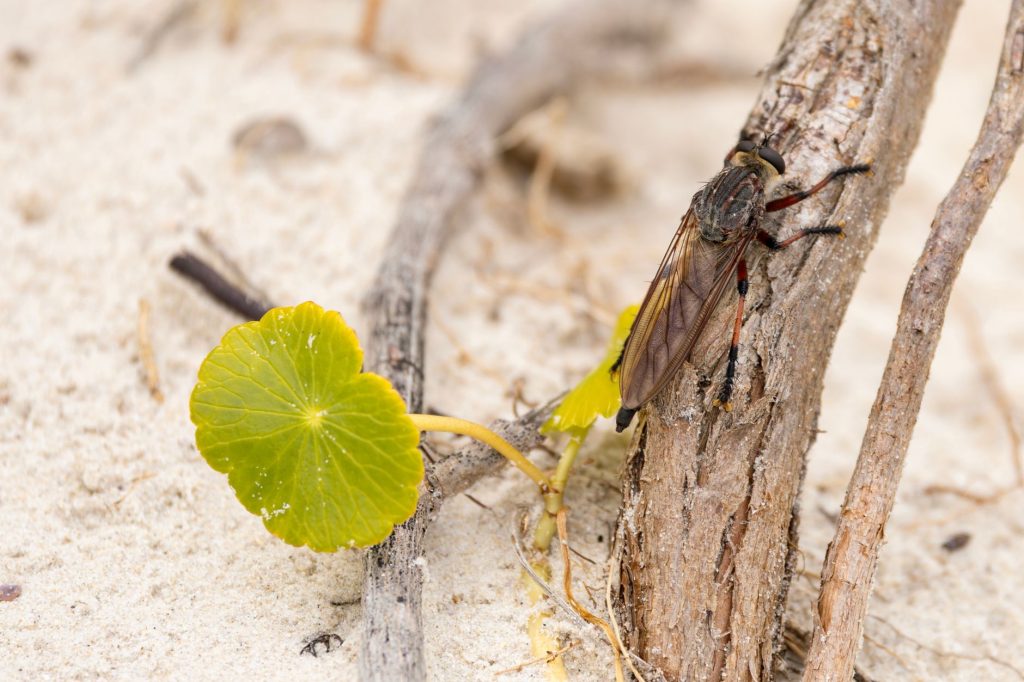
Photo by Stuart Robinson on Pexels