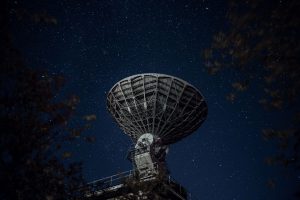
Radio signals from exoplanet: The real breakthrough for astronomy
Radio signals from exoplanet reveal groundbreaking insights into space.

radio signals from exoplanet have been detected for the first time, marking a significant breakthrough in astronomy. This discovery opens new avenues for understanding distant worlds.
What Are Exoplanets?
Exoplanets, or extrasolar planets, are celestial bodies that orbit stars outside our solar system. These fascinating worlds have captured the attention of astronomers and researchers, especially in the search for life beyond Earth. The discovery of radio signals from exoplanet systems represents a significant breakthrough in our understanding of these distant planets.
Exoplanets vary widely in their characteristics, with some resembling Earth in size and composition while others are gas giants like Jupiter. The methods used to detect these planets include:
- Transit Method: Observing the dimming of a star’s light as a planet passes in front of it.
- Radial Velocity Method: Measuring the star’s wobble caused by the gravitational pull of an orbiting planet.
- Direct Imaging: Capturing images of the exoplanet itself by blocking out the star’s light.
The recent detection of radio signals from an exoplanet has opened new avenues for research. These signals could provide invaluable information about the planet’s atmosphere, magnetic field, and potential for supporting life. As astronomers continue to refine their techniques, the exploration of radio signals from exoplanets may lead to even more groundbreaking discoveries in the field of astronomy.
The Significance of Radio Signals
The recent detection of radio signals from an exoplanet marks a significant milestone in the field of astronomy. This breakthrough not only enhances our understanding of distant worlds but also opens new avenues for research and exploration.
Radio signals from exoplanets can provide invaluable insights into their atmospheres, magnetic fields, and potential habitability. Astronomers believe that analyzing these signals will help them:
- Characterize Exoplanetary Environments: The radio emissions can reveal the composition and dynamics of an exoplanet’s atmosphere, offering clues about its weather patterns and climate.
- Understand Magnetic Fields: By studying the radio signals, researchers can infer the strength and structure of magnetic fields around these planets, which are crucial for protecting against cosmic radiation.
- Search for Extraterrestrial Life: The detection of unusual radio patterns may lead scientists to investigate the possibility of life beyond Earth, as certain signals could indicate technological activity.
Furthermore, the ability to capture and analyze radio signals from exoplanets could pave the way for future projects that aim to monitor these celestial bodies more closely. As our technology advances, the potential for discovering new exoplanets and understanding their unique characteristics expands exponentially.
How Astronomers Detected the Signals
In a groundbreaking discovery, astronomers have successfully detected radio signals from an exoplanet for the first time, marking a significant advancement in the field of astronomy. This achievement was made possible through the use of advanced radio telescopes that are capable of capturing faint signals from distant celestial bodies.
The process began with the identification of a specific exoplanet known for its unique atmospheric conditions, which were believed to be conducive to the generation of radio emissions. Astronomers utilized the Square Kilometre Array (SKA), a next-generation radio telescope system, to focus on this target. Over several observation sessions, the equipment was finely tuned to detect frequencies typically associated with planetary activity.
Once the signals were detected, researchers employed sophisticated data analysis techniques to differentiate between natural cosmic noise and the genuine signals emanating from the exoplanet. This involved a meticulous examination of the signal patterns and verifying their consistency over time.
Additionally, scientists collaborated with leading astrophysics institutions worldwide, sharing their findings and refining their methods. The culmination of their efforts has not only confirmed the presence of these radio signals but has also opened a new avenue for studying exoplanets and their potential for hosting life.
Implications for Future Research
The recent detection of radio signals from an exoplanet has opened new avenues for research, with profound implications for our understanding of the universe. As astronomers continue to analyze these signals, several crucial areas of study are likely to emerge.
- Planetary Atmospheres: The radio signals may provide insights into the atmospheric conditions of exoplanets. Understanding how these signals interact with atmospheric particles could reveal vital information about the planet’s composition and weather patterns.
- Magnetic Fields: The detection might enable scientists to study the magnetic fields of exoplanets. Analyzing the strength and structure of these fields can help determine a planet’s ability to support life, as magnetic fields protect atmospheres from solar winds.
- Habitability Potential: The breakthrough in capturing radio signals can refine our search for habitable exoplanets. By correlating radio emissions with other factors like distance from their star and atmospheric conditions, astronomers can assess which exoplanets might harbor life.
- Technological Advances: This achievement will likely drive technological improvements in radio astronomy, enhancing our ability to detect and analyze signals from even more distant exoplanets.
Ultimately, the implications of these findings are vast, potentially transforming the field of astronomy and our understanding of life beyond Earth.
Comparing This Discovery to Past Findings
The discovery of radio signals from an exoplanet marks a pivotal moment in the field of astronomy, particularly when compared to previous findings related to exoplanets. Historically, astronomers have primarily relied on methods such as transit photometry and radial velocity to infer the presence of these distant worlds. However, the detection of direct radio emissions opens up entirely new avenues for understanding their atmospheres and magnetic fields.
In the past, notable discoveries included the identification of exoplanets through the dimming of stars as planets transited in front of them. For instance, the detection of the first confirmed exoplanet around a sun-like star in 1995 was groundbreaking but limited to indirect measurements. The latest findings, capturing radio signals from exoplanet, not only confirm the existence of these distant worlds but also provide insights into their environments.
This new method of detection can be compared to earlier techniques such as the observation of gravitational waves, which transformed our understanding of cosmic events. Similarly, the ability to receive radio signals from an exoplanet emphasizes the potential for gathering data about conditions that may support life beyond our solar system.
As we continue to refine our techniques and technologies, the implications of this discovery could reshape our understanding of the universe.
Technological Advances in Astronomy
Technological advances in astronomy have played a pivotal role in the recent detection of radio signals from an exoplanet. These breakthroughs have enabled astronomers to not only observe distant celestial bodies but also to analyze their unique characteristics in unprecedented ways. The following innovations have significantly contributed to this remarkable achievement:
- Next-Generation Telescopes: The development of powerful radio telescopes equipped with advanced sensors has allowed for clearer and more precise detection of radio waves emitted from exoplanets.
- Improved Signal Processing: Enhanced algorithms for signal processing have made it possible to filter out background noise, allowing scientists to focus on the specific signals that may originate from exoplanets.
- Interferometry Techniques: By using multiple telescopes in tandem, astronomers can achieve greater sensitivity and resolution, making it easier to pick up faint radio signals from distant worlds.
- Machine Learning Applications: The integration of artificial intelligence and machine learning in data analysis has accelerated the identification and interpretation of complex radio signals.
These technological strides not only facilitate the detection of radio signals from exoplanets but also open new avenues for understanding the potential for life beyond Earth, paving the way for future astronomical discoveries.
Understanding Alien Communications
As scientists continue to analyze the radio signals from exoplanet HD 189733b, a new frontier in understanding alien communications is emerging. This groundbreaking discovery suggests that the signals are not merely a byproduct of cosmic phenomena, but potentially a form of communication or interaction.
The nature of the signals raises intriguing questions about the potential for intelligent life beyond Earth. Researchers are now considering various scenarios that could explain these radio emissions:
- Natural Phenomena: Could the signals be a result of unique atmospheric conditions on the exoplanet?
- Technological Origins: Is there a possibility that these signals are the product of advanced civilizations?
- Interstellar Communication: Might these radio signals serve as a beacon for other intelligent life forms?
Understanding these signals requires not only advanced technology but also a multidisciplinary approach, combining expertise from fields such as astrophysics, communication theory, and even linguistics. As astronomers refine their techniques for detecting and interpreting radio signals from exoplanets, they may unlock secrets about the universe’s inhabitants or at least gather more insights into the mechanisms of planetary atmospheres.
Ultimately, the study of these signals could redefine our perception of life in the cosmos and inspire future generations of astronomers and researchers.
The Future of Exoplanet Studies
The discovery of radio signals from an exoplanet marks a pivotal moment in the field of astronomy, opening new avenues for exploration and understanding of distant worlds. As scientists continue to analyze these signals, several exciting possibilities for future exoplanet studies emerge.
First and foremost, the ability to detect radio signals directly from exoplanets could enhance our understanding of their atmospheres and potential habitability. Researchers can utilize these signals to gather data on:
- Magnetic fields: Understanding the magnetic environment can reveal insights into planetary protection against stellar winds.
- Atmospheric composition: Analyzing radio emissions can help determine the presence of elements crucial for life.
- Geological activity: Signals may indicate active geological processes, which can affect the planet’s potential to support life.
Furthermore, the prospect of communicating with intelligent extraterrestrial civilizations becomes more tangible. As we refine our methods of detecting and interpreting radio signals from exoplanets, the search for alien communications may yield unprecedented breakthroughs.
In conclusion, the detection of radio signals from an exoplanet not only transforms our comprehension of the universe but also lays the groundwork for future research that could redefine our place within it.
Scientists are now analyzing the radio signals from exoplanet to gain deeper insights into its atmospheric composition. This groundbreaking discovery of radio signals from exoplanet could revolutionize our understanding of alien worlds.
Photo by Igor Mashkov on Pexels
References
In-game advertising: The smart way to monetize downtime · BALL x PIT expansion: The Best Proven Tech Development · Startup Valuation: The Worst Mistake Founders Make