Best Timing Tips: When To Plant Flower Seeds
Plant flower seeds in early spring for vibrant blooms all summer long. Timing is crucial when it comes to achieving a successful garden filled with…
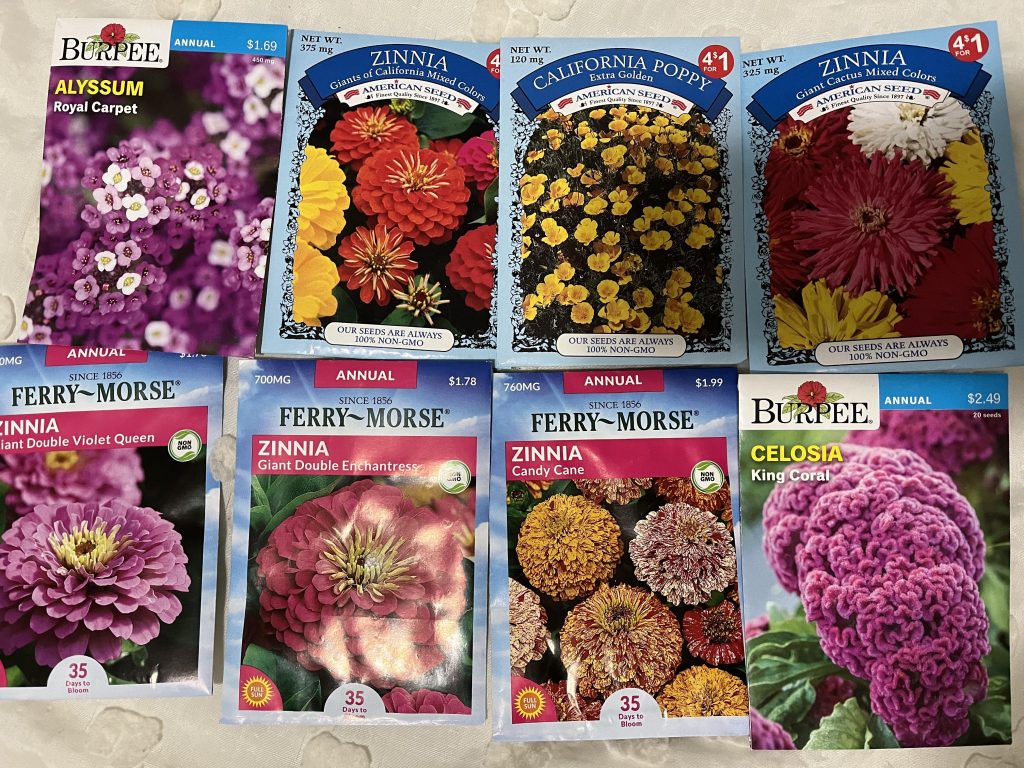
Plant flower seeds in early spring for vibrant blooms all summer long. Timing is crucial when it comes to achieving a successful garden filled with colorful blossoms. Consider the climate in your region to determine the best time to sow your seeds. Understanding when to plant flower seeds can make a significant difference in the health and growth of your flowers. So, get your hands dirty and start planting at the perfect moment for a beautiful garden to enjoy.

When to Plant Flower Seeds: A Comprehensive Guide
Welcome, budding gardeners! Are you ready to add a splash of color and beauty to your garden? Planting flower seeds is a delightful way to bring life and vibrancy to your outdoor space. However, knowing when to plant flower seeds is key to ensuring a successful and blooming garden. In this detailed guide, we will explore the best times to sow your flower seeds and provide you with tips and tricks to help your garden flourish.
Understanding Your Climate Zone
Before you start planting your flower seeds, it’s essential to know your climate zone. Climate zones are determined by factors such as temperature, humidity, and elevation. Different flower seeds thrive in different climate conditions, so understanding your zone will help you choose the right flowers for your garden.
You can easily determine your climate zone by checking the USDA Plant Hardiness Zone Map. This map divides the United States into various zones based on average annual minimum temperatures. Once you know your zone, you can select flower seeds that are suitable for your specific climate.
Spring Planting
Spring is a popular time to plant flower seeds as the weather starts to warm up, and the risk of frost diminishes. Depending on your climate zone, the ideal time to plant flower seeds in the spring can vary. In general, spring is a fantastic time to sow a wide variety of flower seeds, including marigolds, zinnias, sunflowers, and cosmos.
If you live in a colder climate zone, it’s best to wait until after the last frost date to plant your flower seeds. The last frost date is the estimated date when the risk of frost is minimal in your area. Planting your seeds after this date will give them the best chance of germinating and thriving in the warmer temperatures of spring.
Summer Planting
While spring is often associated with planting flower seeds, summer can also be an excellent time to add some new blooms to your garden. However, it’s crucial to choose heat-tolerant flower seeds that can withstand the high temperatures of summer.
When planting flower seeds in the summer, make sure to provide adequate water and protection from the scorching sun. Morning or late afternoon sun is less intense and can help prevent your young seedlings from wilting. Some great flower seeds to plant in the summer include petunias, salvia, verbena, and portulaca.
Fall Planting
Don’t let the cooler temperatures of fall deter you from planting flower seeds. Fall can be an excellent time to sow certain flower seeds that thrive in cooler weather. Planting flower seeds in the fall allows them to establish strong root systems before the winter chill sets in, giving them a head start for the following spring.
Consider planting flower seeds like pansies, snapdragons, violas, and calendula in the fall. These flowers are resilient to cooler temperatures and can add a pop of color to your garden even as the days get shorter.
Winter Planting
While winter might not seem like the ideal time to plant flower seeds, some seeds actually benefit from a period of cold stratification. Cold stratification is a process in which seeds need exposure to cold temperatures to break dormancy and germinate successfully.
If you want to try planting flower seeds in the winter, opt for varieties that require cold stratification, such as poppies, larkspur, or echinacea. Start the seeds indoors and then place them in a cold frame or sheltered outdoor area where they can experience the chill of winter.
Best Practices for Planting Flower Seeds
Now that you know when to plant flower seeds throughout the year, let’s review some best practices to ensure your seeds have the best chance of flourishing:
Prepare the Soil
Before planting your flower seeds, prepare the soil by loosening it with a garden fork or spade. Remove any weeds or debris and add some compost to enrich the soil. Well-draining soil with good nutrient content will support healthy seed growth.
Sow at the Right Depth
Each type of flower seed has specific requirements for planting depth. As a general rule, sow small seeds shallowly and larger seeds deeper. Consult the seed packet for guidance on the correct planting depth for the flower seeds you are planting.
Water Wisely
Water is essential for seed germination and growth. Keep the soil consistently moist but not waterlogged. Water your seeds gently to avoid displacing them, especially in the early stages of growth.
Provide Adequate Sunlight
Most flower seeds require ample sunlight to thrive. Make sure to plant your seeds in a location that receives the appropriate amount of sunlight based on the seed’s requirements. Full-sun flowers need at least 6-8 hours of sunlight per day.
Protect from Pests
Keep an eye out for pests that may harm your young seedlings. Use natural pest control methods or barriers to protect your flower seeds from nibbling critters. Staying vigilant can help prevent pest damage and ensure healthy plant growth.
Planting flower seeds is a rewarding and enjoyable experience that allows you to nurture nature’s beauty right in your backyard. By understanding when to plant flower seeds and following best practices for seed care, you can create a stunning garden filled with color and fragrance.
Remember to consider your climate zone and choose flower seeds that are well-suited to your growing conditions. Whether you’re planting in the spring, summer, fall, or even winter, each season offers unique opportunities to cultivate a thriving garden. So, grab your gardening gloves and get ready to watch your flower seeds bloom into a magnificent display of nature’s wonders!
A Complete Guide on How & When to Seed Start Annual Garden Flowers Indoors: Save Money!
Frequently Asked Questions
What is the best time of year to plant flower seeds?
Spring and early summer are ideal times to plant flower seeds as the soil is starting to warm up and there is more sunlight. This allows the seeds to germinate and grow successfully. It’s important to check the specific recommendations for the type of flower seeds you are planting as some may have different planting times.
How do I know if it’s the right time to plant flower seeds in my region?
To determine the best time to plant flower seeds in your region, you can refer to the USDA Plant Hardiness Zone map. This map divides the United States and Canada into different zones based on average winter temperatures. By knowing your zone, you can identify the optimal times for planting flower seeds in your area.
Can I plant flower seeds directly into the ground or should I start them indoors?
Whether to plant flower seeds directly into the ground or start them indoors depends on the specific requirements of the flower species. Some flowers, like marigolds and zinnias, can be directly sown into the ground, while others, like petunias and impatiens, benefit from being started indoors to get a head start on the growing season.
Final Thoughts
To maximize success, plant flower seeds according to their specific planting times. Start by determining the last frost date in your area. Consult seed packets for recommended planting times. Plant seeds indoors or directly in the ground based on their individual needs. Remember, the key to a thriving garden lies in knowing when to plant flower seeds.