Best Time To Mow After Overseeding: When To Mow After Overseeding
After overseeding your lawn, the burning question remains: when to mow after overseeding? The answer lies in precise timing to ensure optimal growth and…
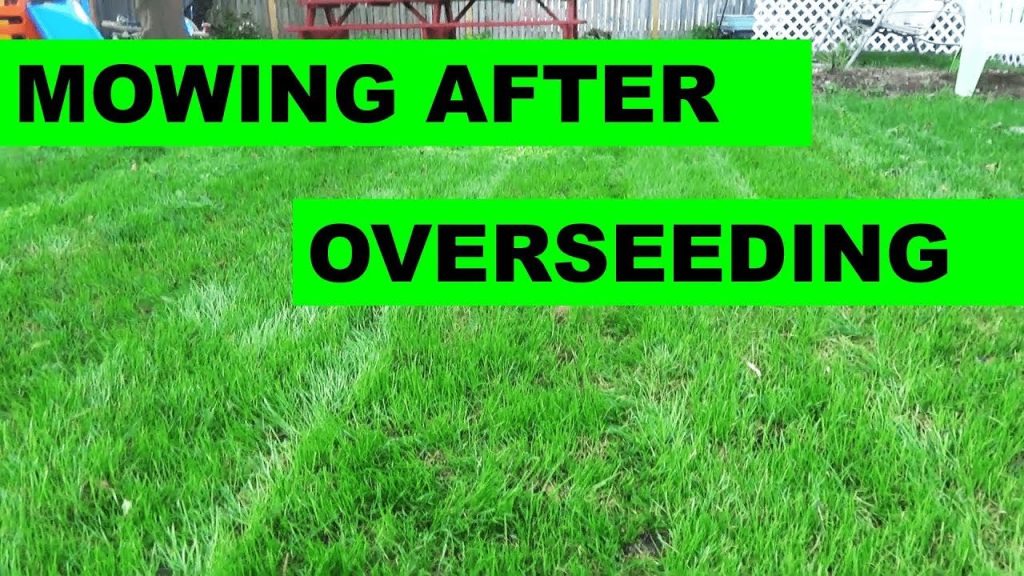
After overseeding your lawn, the burning question remains: when to mow after overseeding? The answer lies in precise timing to ensure optimal growth and results. Mowing too soon can disrupt the delicate germination process, while delaying can lead to an overgrown appearance. Understanding the right time frame for mowing post-overseeding is key to nurturing a lush, healthy lawn. Let’s delve into the crucial factors influencing this decision to help you achieve a verdant, beautifully restored lawn.

When to Mow After Overseeding
Introduction
So, you’ve just overseeded your lawn, and now you’re wondering when it’s safe to mow. Well, you’ve come to the right place! Mowing after overseeding is a crucial step in maintaining a healthy and lush lawn. In this comprehensive guide, we will delve into the best practices and timing for mowing your newly overseeded lawn to ensure optimal growth and a beautiful, dense turf.
Understanding Overseeding
Before we dive into when to mow after overseeding, let’s first understand what overseeding is. Overseeding is the process of planting grass seed directly into existing turf to improve its density and fill in bare patches. It helps rejuvenate your lawn, making it more resilient to pests, diseases, and drought.
Benefits of Overseeding
Overseeding offers a myriad of benefits for your lawn, including:
1. **Improved Lawn Density:** By overseeding, you can thicken your lawn, making it more resistant to weeds.
2. **Enhanced Color:** New grass varieties can enhance the color and appearance of your lawn.
3. **Increased Disease Resistance:** A denser lawn can better resist diseases that can harm your turf.
Timing of Overseeding
Timing is crucial when it comes to overseeding your lawn. The best time to overseed largely depends on the type of grass you have and the climate in your region. Generally, the ideal times for overseeding are during the early fall or spring when the soil is warm, and there’s ample moisture available for the seeds to germinate.
Factors to Consider
When determining the timing for overseeding, consider the following factors:
1. **Soil Temperature:** The soil temperature should be around 60-75°F for optimal seed germination.
2. **Weather Conditions:** Avoid overseeding during extreme heat or cold spells, as this can hinder seed growth.
When to Mow After Overseeding
Now, let’s get to the main question – when should you mow your lawn after overseeding? Mowing too soon can uproot the newly germinated seeds, while waiting too long can lead to overgrown grass that blocks sunlight from reaching the new seedlings.
Wait for Seed Germination
After overseeding, you should wait for the grass seeds to germinate and establish themselves before mowing. This typically takes around 2-3 weeks, but it can vary depending on the grass variety and growing conditions. You’ll know the seeds have germinated when you start to see tiny green shoots sprouting from the soil.
Check Grass Height
Once the new grass has reached a height of around 3-4 inches, it’s usually safe to mow. However, be sure to check the recommended mowing height for your grass type to avoid cutting it too short, which can stress the plants and impede growth.
Use the Right Mowing Techniques
When mowing after overseeding, be sure to use sharp blades to ensure a clean cut that won’t damage the new grass. Additionally, avoid mowing when the soil is wet, as this can compact the soil and hinder root growth.
Post-Mowing Care
After mowing your newly overseeded lawn, it’s essential to provide proper care to promote healthy growth. Be sure to water the lawn regularly, but avoid overwatering, as this can lead to disease and shallow root systems. Additionally, consider applying a light fertilizer to provide essential nutrients for the new grass.
Maintain a Regular Mowing Schedule
Once you’ve mowed your newly overseeded lawn for the first time, establish a regular mowing schedule to promote even growth and maintain an optimal grass height. Remember not to remove more than one-third of the grass blade length with each mowing to prevent stress on the plants.
In conclusion, knowing when to mow after overseeding is essential for the health and beauty of your lawn. By waiting for the new grass to establish itself, using proper mowing techniques, and providing post-mowing care, you can ensure a thick, lush lawn that will be the envy of your neighborhood. So, roll up those sleeves, grab your lawnmower, and get ready to enjoy a vibrant, healthy lawn all season long!
When To Mow New Grass after Overseeding and First Mow
Frequently Asked Questions
How soon should I mow my lawn after overseeding?
It is recommended to wait until the new grass reaches about 3 inches in height before mowing it. This typically takes around 2-3 weeks after overseeding, but the timing may vary depending on the grass type and growing conditions.
Can I mow my lawn immediately after overseeding?
No, it is important to give the newly seeded grass some time to establish itself before mowing. Mowing too soon can uproot the young seedlings and hinder their growth.
What is the ideal mowing height for newly overseeded grass?
Set your mower blade to a higher setting to ensure that you do not cut the new grass too short. Maintaining a slightly taller mowing height helps protect the young grass plants and allows them to develop a stronger root system.
How frequently should I mow my lawn after overseeding?
After the initial mowing following overseeding, continue to mow the lawn regularly based on the growth rate of the new grass. Avoid cutting off more than one-third of the grass blade length in a single mowing session to prevent stress on the grass.
Final Thoughts
After overseeding your lawn, it’s crucial to wait until the new grass reaches a height of at least 3 inches before mowing. This allows the grass to establish a strong root system and promotes healthy growth. Mowing too soon can uproot the new seeds and hinder their growth. So, be patient and give your newly overseeded lawn the time it needs to thrive before mowing. Remember, timing is key when deciding when to mow after overseeding.