Best Toddler Care Strategy: What Works For Delivering Care
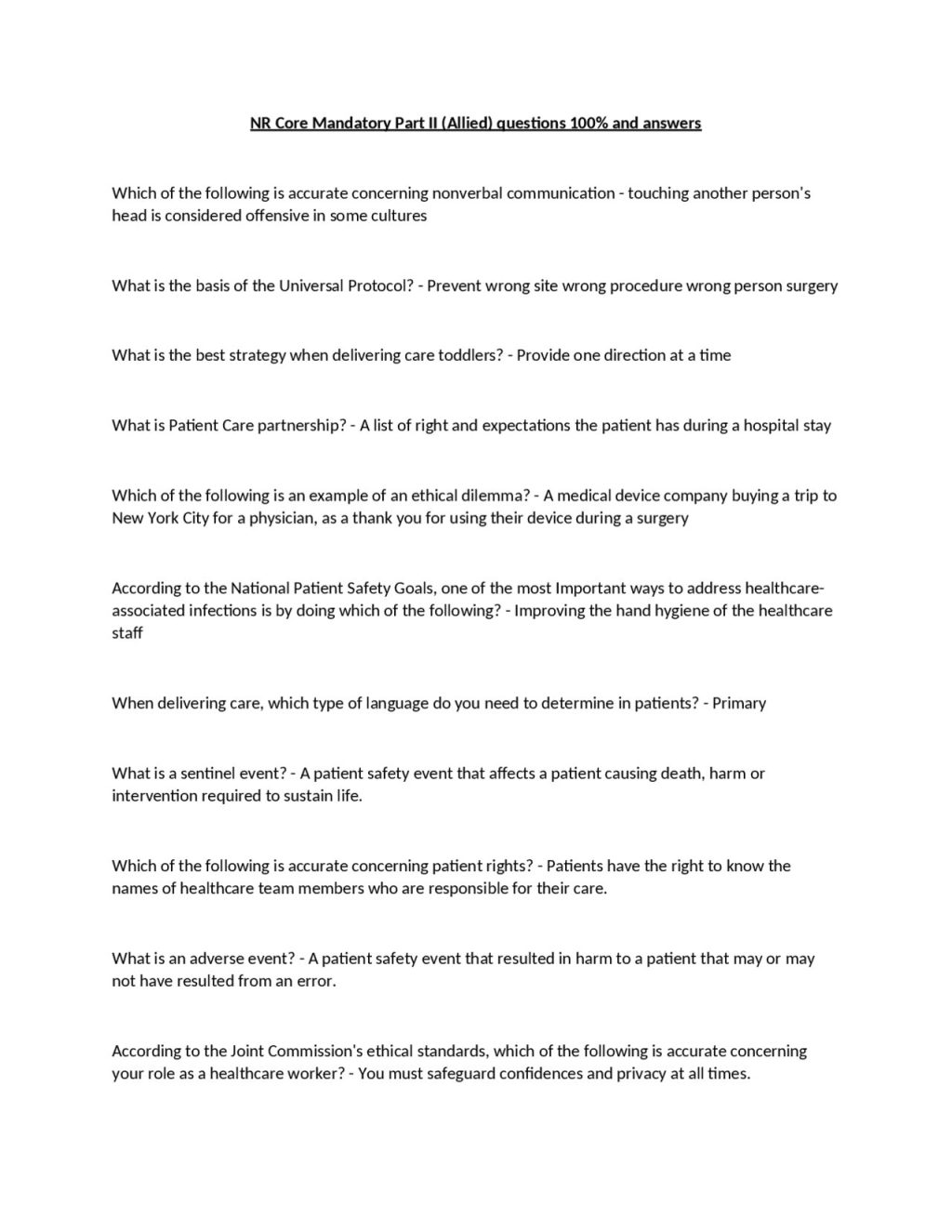
The best strategy when delivering care to toddlers is to approach each interaction with patience and understanding. Engaging with toddlers requires a…
The best strategy when delivering care to toddlers is to approach each interaction with patience and understanding. Engaging with toddlers requires a blend of empathy, communication, and creativity. Building a strong bond through positive reinforcement and consistent routines is key. Adapting to each child’s unique needs and preferences is crucial for successful care interactions. Ultimately, the best strategy when delivering care to toddlers is rooted in love and respect for the individuality of each child.

What is the Best Strategy When Delivering Care to Toddlers
The Importance of Effective Care for Toddlers
When it comes to caring for toddlers, every parent and caregiver wants to ensure that the little ones receive the best care possible. Toddlers are at a crucial stage of development, where they are exploring the world around them and learning new skills every day. Providing proper care during this stage is essential for their overall well-being and development.
Understanding the Needs of Toddlers
Toddlers have unique needs that differ from older children and adults. They are in a stage where they are rapidly growing and developing physically, mentally, and emotionally. It is crucial to understand these needs to provide effective care. Toddlers require a safe and nurturing environment where they can explore, learn, and develop their skills.
Creating a Safe Environment
One of the key strategies in delivering care to toddlers is creating a safe environment for them to thrive. This includes childproofing the home to prevent accidents, keeping small objects out of reach, and ensuring that hazardous items are stored securely. Providing a safe space for toddlers to play and explore is essential for their safety and well-being.
Establishing a Routine
Toddlers thrive on routine and predictability. Establishing a daily routine for meals, naps, playtime, and bedtime can help toddlers feel secure and supported. Consistency in routines can also help toddlers develop good habits and learn time management skills.
Encouraging Independence
While toddlers may still need assistance with many tasks, it is important to encourage their independence and self-help skills. Allowing toddlers to do simple tasks like picking out their clothes, feeding themselves, and putting away toys can help build their confidence and develop their motor skills.
Effective Communication with Toddlers
Communication is key when delivering care to toddlers. Toddlers may not have the verbal skills to express themselves fully, so it is essential to pay attention to their nonverbal cues and emotions. Engaging in conversations with toddlers, even if they are just starting to talk, can help build their language skills and strengthen the bond between caregiver and child.
Using Positive Reinforcement
Positive reinforcement is a powerful tool when caring for toddlers. Praising and encouraging toddlers when they exhibit positive behaviors can help reinforce those behaviors and promote a positive learning environment. Instead of focusing on negative behaviors, redirecting toddlers towards positive behaviors can be more effective in shaping their behavior.
Active Listening
Listening to toddlers and acknowledging their feelings is crucial in effective communication. Toddlers are at a stage where they are learning to express their emotions, and it is essential to validate their feelings and provide a safe space for them to communicate. Active listening can help build trust and strengthen the relationship between caregivers and toddlers.
Setting Clear Boundaries
While it is important to be understanding and empathetic towards toddlers, setting clear boundaries is also essential. Toddlers thrive in a structured environment where they know what is expected of them. Setting age-appropriate limits and explaining the reasons behind them can help toddlers understand boundaries and learn self-control.
Encouraging Learning and Development
Caregivers play a crucial role in fostering the learning and development of toddlers. Toddlers are like sponges, absorbing information and learning new skills at a rapid pace. Providing opportunities for learning and exploring can help toddlers reach their full potential.
Engaging in Play-Based Learning
Play is an essential part of a toddler’s development. Engaging in play-based activities that are both fun and educational can help toddlers learn new skills and concepts. Activities like building blocks, sorting games, and pretend play can stimulate their imagination and creativity while enhancing their cognitive and motor skills.
Reading and Storytelling
Reading to toddlers is not only a bonding experience but also a great way to support their language development. Reading books and telling stories can introduce toddlers to new words, concepts, and ideas. Encouraging toddlers to participate by asking questions and making connections can help promote their comprehension skills.
Exploring Nature and the Outdoors
Spending time outdoors and exploring nature can provide toddlers with valuable sensory experiences and opportunities for learning. Nature walks, visits to the park, and outdoor play can help toddlers develop their gross motor skills, creativity, and appreciation for the world around them. Being in nature can also have a calming effect on toddlers and promote their overall well-being.
In conclusion, the best strategy when delivering care to toddlers involves creating a safe and nurturing environment, understanding their needs, effective communication, and encouraging learning and development. By providing love, support, and guidance, caregivers can help toddlers navigate this exciting stage of growth and development. Remember, each toddler is unique, so it is essential to tailor care strategies to meet individual needs and preferences. With patience, understanding, and a little creativity, caregivers can make a lasting impact on the lives of toddlers.
Teaching Strategies – Gaining Children's Attention
Frequently Asked Questions
How can caregivers effectively communicate with toddlers during care delivery?
Caregivers can use simple and clear language, maintain eye contact, and use gestures to help convey messages to toddlers. It’s important to speak in a soothing tone and be patient while allowing the toddler to express their needs and emotions.
What are some strategies to establish routines when caring for toddlers?
Consistency is key when establishing routines for toddlers. Caregivers can create a predictable schedule for meals, naps, and playtime, making sure to provide gentle reminders and transitions between activities to help toddlers adjust to the routine.
How can caregivers promote independence and autonomy in toddlers during care delivery?
Caregivers can offer choices to toddlers, allowing them to make decisions within limits. Encouraging self-help skills like feeding themselves, picking out clothes, and cleaning up after play can help promote independence and build confidence in toddlers.
What are effective ways to manage challenging behaviors in toddlers during care delivery?
Positive reinforcement, redirection, and setting clear boundaries are effective ways to manage challenging behaviors in toddlers. Caregivers can use praise for good behavior, distract the child from negative actions, and establish simple and consistent consequences for misbehavior.
Final Thoughts
When delivering care to toddlers, the best strategy is to prioritize their safety, emotional well-being, and development. By creating a nurturing environment, engaging in meaningful interactions, and being attentive to their needs, caregivers can promote healthy growth and learning. Consistent routines, clear communication, and positive reinforcement are key elements in building trust and fostering a strong bond with toddlers. Ultimately, the best strategy is to approach caregiving with patience, empathy, and a genuine desire to support the child’s overall well-being.