When To Winterize Sprinkler System: Expert Tips & Guidelines
When to winterize the sprinkler system? Before the first freeze hits. Neglecting this crucial task can lead to costly repairs come spring. Proper…
When to winterize the sprinkler system? Before the first freeze hits. Neglecting this crucial task can lead to costly repairs come spring. Proper winterization ensures your system stays protected during the cold months. Don’t wait until it’s too late; now is the time to prepare.

When to Winterize Your Sprinkler System: A Comprehensive Guide
The Importance of Winterizing Your Sprinkler System
The Importance of Winterizing Your Sprinkler System
As the weather starts to cool down and the leaves begin to change color, it’s time to start thinking about preparing your sprinkler system for the upcoming winter months. Winterizing your sprinkler system is crucial to prevent costly damage caused by freezing temperatures. If water is left in the pipes and components of your sprinkler system during the winter, it can freeze and expand, leading to cracked pipes, damaged valves, and costly repairs in the spring. By taking the time to properly winterize your sprinkler system, you can protect your investment and ensure that your system remains in top working condition for years to come.
Factors to Consider When Deciding When to Winterize
The ideal time to winterize your sprinkler system depends on several factors, including your geographical location, climate, and the type of irrigation system you have. In general, it’s best to winterize your sprinkler system before the first hard frost of the season. However, if you live in a region with mild winters or if temperatures are unseasonably warm, you may be able to wait a bit longer before winterizing.
Geographical Location
If you live in a region where temperatures regularly drop below freezing during the winter months, it’s essential to winterize your sprinkler system before the first freeze. In these areas, freezing temperatures can occur as early as late fall, so it’s important to be proactive and winterize your system in advance.
Climate
The climate in your area also plays a significant role in determining when to winterize your sprinkler system. If you experience cold winters with frequent snow and ice, it’s crucial to winterize early to prevent damage. On the other hand, if you live in a milder climate with less severe winters, you may have a bit more flexibility in timing.
Type of Irrigation System
The type of irrigation system you have installed can also impact when you should winterize. For example, if you have an underground irrigation system with buried pipes, you will need to winterize earlier than if you have an above-ground system that is easier to drain and protect from freezing temperatures.
Signs That It’s Time to Winterize
There are several signs that indicate it’s time to winterize your sprinkler system. One of the most obvious signs is the dropping temperatures as winter approaches. However, there are other indicators to look out for as well:
– Leaves changing color and falling from trees
– Weather forecasts predicting the first frost
– Cold snaps and freezing overnight temperatures
– Reduced water usage in the fall months
If you notice any of these signs, it’s a good indication that winter is on its way, and it’s time to start thinking about winterizing your sprinkler system.
Steps to Winterize Your Sprinkler System
Winterizing your sprinkler system involves several key steps to ensure that all water is removed from the pipes and components to prevent freezing. Here’s a step-by-step guide to help you winterize your sprinkler system effectively:
Step 1: Turn Off the Water Supply
The first step in winterizing your sprinkler system is to shut off the water supply. Locate the main shut-off valve for your sprinkler system and turn it off to prevent any water from entering the system.
Step 2: Drain the System
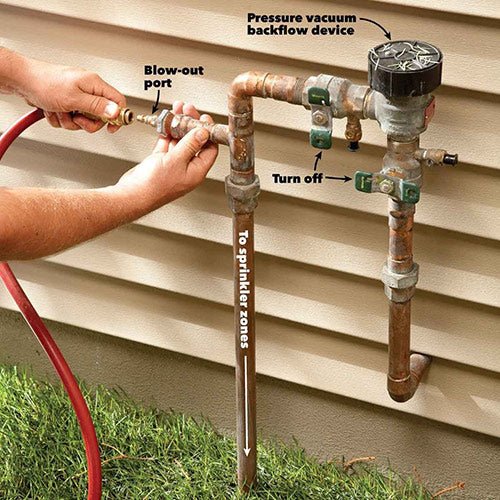
Next, you’ll need to drain all the water from the pipes, valves, and sprinkler heads. Start by opening the drain valves and letting the water flow out. You can also use compressed air to blow out any remaining water from the system.
Step 3: Insulate Exposed Pipes
If you have any exposed pipes or components that are susceptible to freezing, make sure to insulate them with pipe insulation or heat tape to provide added protection against the cold.
Step 4: Schedule a Professional Inspection
Consider scheduling a professional inspection of your sprinkler system before winterizing to ensure that everything is in proper working order. A professional can identify any potential issues that need to be addressed before winter arrives.
In conclusion, knowing when to winterize your sprinkler system is essential to protect your investment and prevent costly damage. By considering factors such as geographical location, climate, and the type of irrigation system you have, you can determine the best time to winterize. Keep an eye out for signs that winter is approaching, and follow the necessary steps to winterize your system effectively. By taking the time to winterize your sprinkler system, you can ensure that it remains in top working condition and ready to use when spring arrives.
How to Winterize a Sprinkler System
Frequently Asked Questions
When is the best time to winterize my sprinkler system?
It is recommended to winterize your sprinkler system before the first freeze hits your area. Typically, this means scheduling the winterization process in late fall, before temperatures drop significantly.
What are the risks of not winterizing my sprinkler system?
If you do not winterize your sprinkler system, the water left inside the pipes can freeze and expand, causing pipes to burst. This can lead to costly repairs in the spring when you turn on your system again.
How can I winterize my sprinkler system on my own?
You can winterize your sprinkler system on your own by following some simple steps. First, turn off the water supply to the system. Then, drain any remaining water from the pipes and irrigation lines. Finally, blow out the remaining water using an air compressor to prevent freezing.
Can I hire a professional to winterize my sprinkler system?
Absolutely! Hiring a professional to winterize your sprinkler system can ensure that the job is done thoroughly and correctly. Professionals have the expertise and equipment needed to properly prepare your system for winter, reducing the risk of damage.
Final Thoughts
Concluding, knowing when to winterize sprinkler system is crucial to prevent costly damages. It is recommended to winterize the system before the first freeze to avoid potential freezing and bursting of pipes. Regular maintenance and inspection will help extend the lifespan of the sprinkler system. Remember, proper winterization is key to ensuring your system’s functionality come springtime.