Avoid Mistakes When Retrieving A Boat At A Ramp
When retrieving a boat at a ramp, what should be avoided? The key is to navigate the process smoothly to avoid common mishaps. Avoid backing down the ramp…
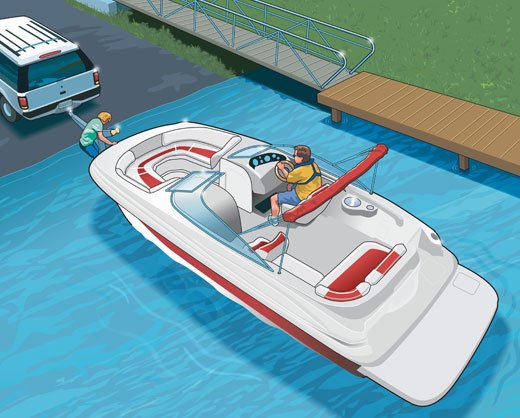
When retrieving a boat at a ramp, what should be avoided? The key is to navigate the process smoothly to avoid common mishaps. Avoid backing down the ramp too quickly, risking damage to your boat or trailer. Additionally, steer clear of blocking other boaters while waiting your turn. By being mindful of these pitfalls, you can ensure a hassle-free boat retrieval experience.

When Retrieving a Boat at a Ramp: What Should Be Avoided?
Welcome, young sailors and boating enthusiasts! Today, we are going to talk about an important aspect of boating – retrieving your boat at a ramp. While launching a boat can be exciting and fun, bringing it back to shore requires careful attention and consideration to avoid any mishaps. In this article, we will discuss the common mistakes to avoid when retrieving a boat at a ramp. So, grab your captain’s hats and let’s set sail on this journey of learning!
1. Rushing the Process
One of the key things to avoid when retrieving a boat at a ramp is rushing the process. It can be tempting to hurry and get your boat out of the water quickly, especially if there is a line of other boaters waiting behind you. However, rushing can lead to mistakes and accidents that could damage your boat or put yourself and others at risk.
Take your time and follow the proper steps for retrieving your boat. Make sure you secure the trailer properly, attach the winch hook securely to the bow eye, and double-check that everything is in place before pulling the boat out of the water. Remember, safety always comes first!
2. Ignoring Weather and Water Conditions
Another important thing to avoid when retrieving a boat at a ramp is ignoring the weather and water conditions. It’s crucial to be aware of the current weather forecast and water conditions before attempting to retrieve your boat. Strong winds, high waves, or slippery ramps can make the retrieval process challenging and potentially dangerous.
Check the weather forecast before heading out on the water and be prepared for any changes that may occur. If the conditions are unfavorable for retrieving your boat, consider waiting until the weather improves or asking for assistance from experienced boaters.
3. Lack of Communication
Communication is key when retrieving a boat at a ramp, especially if you have a team helping you. Avoid the mistake of assuming that everyone knows what to do or relying solely on hand signals. Clear and effective communication is essential to ensure a smooth and safe retrieval process.
Before starting the retrieval process, discuss the roles and responsibilities of each person involved. Establish a communication plan, use clear verbal commands, and confirm that everyone understands their tasks. By communicating effectively, you can avoid confusion and prevent accidents from happening.
4. Overloading the Boat or Trailer
Overloading the boat or trailer is a common mistake that many boaters make when retrieving their boats at a ramp. It’s important to know the weight capacity of your boat and trailer and avoid exceeding it. Overloading can put unnecessary strain on the equipment, leading to damage or failure.
Before loading your boat onto the trailer, distribute the weight evenly and secure any loose items. Check the trailer’s tires, brakes, and lights to ensure they are in good working condition. By avoiding overloading, you can protect your boat and trailer from unnecessary wear and tear.
5. Neglecting Maintenance Checks
Regular maintenance checks are essential to ensure that your boat and trailer are in good condition for retrieval. Neglecting these checks can lead to unexpected issues that may arise when you are at the ramp, causing delays and frustrations.
Before heading to the ramp, inspect your boat and trailer for any signs of damage or wear. Check the trailer hitch, lights, tires, and brakes to make sure everything is working properly. It’s also a good idea to have a backup plan in case you encounter any problems during the retrieval process.
6. Disregarding Ramp Etiquette
Ramp etiquette is an important aspect of boating that should not be overlooked when retrieving your boat. Being considerate of other boaters and following proper ramp etiquette can help make the retrieval process smoother and more enjoyable for everyone.
When using a boat ramp, avoid blocking access or leaving your boat unattended for an extended period. Be mindful of other boaters waiting to launch or retrieve their boats and try to move efficiently to minimize delays. Remember to clean up any trash or debris before leaving the ramp area to keep it clean for the next boaters.
7. Skipping Pre-Retrieval Checklist
Before you start the retrieval process, it’s essential to go through a pre-retrieval checklist to ensure that everything is in order. Skipping this step can lead to oversights and mistakes that could have been prevented with proper preparation.
Make a pre-retrieval checklist that includes tasks such as securing loose items, checking safety equipment, and removing drain plugs. Go through the checklist systematically to ensure that nothing is missed before you start retrieving your boat. By following a checklist, you can avoid last-minute surprises and make the retrieval process more efficient.
8. Failing to Secure the Boat Properly
One of the most critical things to avoid when retrieving a boat at a ramp is failing to secure the boat properly on the trailer. Improperly securing the boat can lead to accidents, damage to the boat or trailer, and safety hazards for yourself and others.
After pulling the boat out of the water, make sure it is centered on the trailer and properly aligned. Secure the boat to the trailer using straps, ropes, or tie-downs to prevent it from shifting during transportation. Double-check the connections and tighten any loose fasteners to ensure a safe and secure journey home.
Remember, proper boat retrieval is just as important as launching, if not more. By avoiding these common mistakes and following good boating practices, you can ensure a safe, smooth, and enjoyable boating experience for yourself and others. Happy boating!
That wraps up our guide on what to avoid when retrieving a boat at a ramp. We hope you found these tips helpful and informative. Remember, safe boating practices are essential for a fun and enjoyable boating experience. If you have any questions or want to share your own tips, feel free to leave a comment below. Until next time, fair winds and following seas!
NEVER Do THESE 3 THINGS At The Boat Ramp | BoatUS
Frequently Asked Questions
What are some common mistakes to avoid when retrieving a boat at a ramp?
When retrieving a boat at a ramp, it is important to avoid blocking the ramp for an extended period of time. Be prepared before you back your trailer down the ramp, ensuring everything is ready for a swift retrieval. Avoid stopping halfway down the ramp as it can cause congestion and frustration for other boaters. Additionally, be mindful of other boaters waiting to use the ramp and make sure to efficiently load your boat onto the trailer.
How can one prevent accidents or damage when retrieving a boat at a ramp?
To prevent accidents or damage when retrieving a boat at a ramp, avoid excessive speed when backing your trailer down the ramp. This can lead to collisions or the boat becoming misaligned during loading. It is crucial to take your time, use your mirrors effectively, and communicate with your spotter if you have one. Avoid sudden movements and practice patience to ensure a safe and successful retrieval.
What should boaters be cautious of to avoid incidents when retrieving a boat at a ramp?
Boaters should be cautious of the presence of other vehicles and pedestrians near the ramp when retrieving a boat. Avoid distractions such as using your phone or engaging in conversations that take your focus away from the task at hand. It is also important to be aware of the weather conditions, especially strong winds or currents that can make maneuvering the boat onto the trailer more challenging. By staying vigilant and focused, boaters can prevent incidents and ensure a smooth retrieval process.
Final Thoughts
When retrieving a boat at a ramp, avoid blocking other boaters by efficiently loading your vessel. Properly prepare your boat and gear in advance to minimize delays for others. Avoid leaving your boat unattended while you park your trailer. Remember, when retrieving a boat at a ramp, being considerate of other boaters’ time and space is key to a smooth and safe experience.