When Can I Sleep On My Side After Wisdom Teeth Removal?
You can sleep on your side after wisdom teeth removal once you feel comfortable enough to do so. It’s essential to follow your dentist’s post-operative…
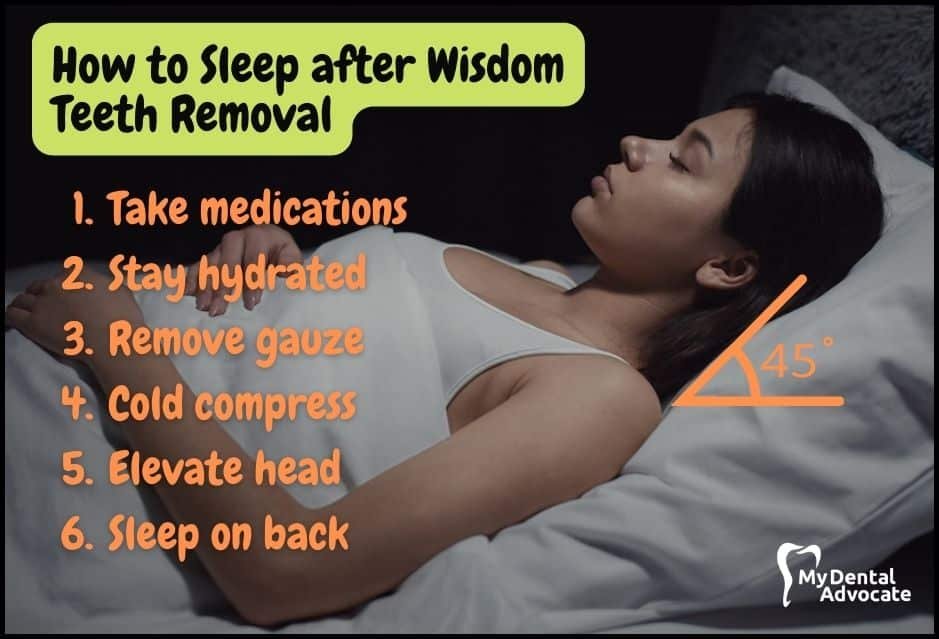
You can sleep on your side after wisdom teeth removal once you feel comfortable enough to do so. It’s essential to follow your dentist’s post-operative care instructions to ensure a smooth recovery. Avoid putting pressure on the surgical site to prevent complications. Typically, it’s recommended to wait a few days before sleeping on your side to minimize the risk of dislodging blood clots and causing discomfort. Listen to your body and make the switch when it feels right.

When Can I Sleep on My Side After Wisdom Teeth Removal
Having your wisdom teeth removed can be a daunting experience, but taking care of yourself properly after the procedure is crucial for a smooth recovery. One common question that many people have after getting their wisdom teeth removed is when they can safely sleep on their side. In this article, we will explore the factors that determine when it is safe to sleep on your side after wisdom teeth removal and provide helpful tips for a comfortable recovery period.
Understanding Wisdom Teeth Removal
Before we delve into sleeping positions post-wisdom teeth removal, it is essential to understand the procedure itself. Wisdom teeth, also known as third molars, are the last set of teeth to emerge in the mouth. In many cases, these teeth can cause issues such as impaction, overcrowding, or infection, necessitating their removal.
During the extraction procedure, your oral surgeon will numb the area with local anesthesia or provide general anesthesia, depending on the complexity of the extraction. Once the teeth are removed, you will experience some swelling, discomfort, and bleeding at the extraction sites, which is a normal part of the healing process.
When Can I Sleep on My Side
After wisdom teeth removal, it is essential to follow your oral surgeon’s post-operative instructions diligently to ensure a smooth recovery. One common concern is the ideal sleeping position, particularly when it comes to sleeping on your side.
The First Few Days
During the first few days following your wisdom teeth removal, it is generally recommended to avoid sleeping on your side. This is because lying on your side can exert pressure on the extraction sites, potentially leading to increased pain, swelling, and bleeding. It is crucial to keep your head elevated using pillows while sleeping to reduce swelling and promote proper blood circulation.
If you are used to sleeping on your side, this adjustment may be challenging at first. However, it is essential to prioritize your recovery and follow your surgeon’s recommendations for optimal healing.
Days 3-5
As your recovery progresses and the initial swelling and discomfort start to subside, you may gradually transition to sleeping on your side. However, it is crucial to do so carefully to avoid putting direct pressure on the extraction sites.
When shifting to a side-sleeping position, consider using a U-shaped travel pillow or a donut-shaped cushion to provide support and prevent your jaw from resting directly on the pillow. This can help alleviate discomfort and reduce the risk of accidentally applying pressure to the extraction sites while you sleep.
After the First Week
After the first week of your wisdom teeth removal, your oral surgeon will likely schedule a follow-up appointment to monitor your healing progress. By this point, the initial swelling and pain should have subsided significantly, allowing you to resume sleeping on your side more comfortably.
It is essential to continue maintaining good oral hygiene practices and following any additional instructions provided by your surgeon to ensure proper healing. If you experience persistent pain, swelling, or other concerning symptoms, consult your oral surgeon promptly for further guidance.
Tips for Comfortable Sleep Post-Wisdom Teeth Removal
While transitioning to side sleeping after wisdom teeth removal, there are several tips you can follow to ensure a comfortable and restful sleep:
1. Use Pillows for Support
Position pillows strategically to support your head, neck, and upper body while keeping your head elevated. This can help reduce swelling and discomfort during the initial recovery period.
2. Stay Hydrated
Drink plenty of water throughout the day to stay hydrated, which can aid in the healing process and prevent dry mouth. Avoid consuming very cold or hot beverages, especially in the immediate aftermath of the surgery.
3. Follow a Soft Diet
Stick to a soft diet comprising foods like yogurt, mashed potatoes, smoothies, and soups to avoid putting excess pressure on your jaw while eating. Avoid hard, crunchy, or chewy foods that can irritate the surgical sites.
4. Avoid Propping Up with Your Hand
While sleeping or resting, refrain from propping up your head with your hand, as this can inadvertently apply pressure to the surgical areas. Use pillows or cushions for elevation instead.
5. Maintain Oral Hygiene
It is crucial to continue practicing good oral hygiene by gently rinsing your mouth with saltwater after meals and before bed. Avoid vigorous rinsing or spitting to prevent dislodging blood clots or irritating the surgical sites.
Recovering from wisdom teeth removal requires patience, care, and attention to detail, including how you sleep post-procedure. While it is essential to avoid side sleeping immediately after the extraction, you can gradually transition to this position as your healing progresses.
Remember to follow your oral surgeon’s instructions, maintain good oral hygiene, and prioritize your comfort during the recovery period. By taking these steps and being mindful of your sleeping position, you can promote a smooth and successful healing process after wisdom teeth removal.
Consult your oral surgeon if you have any concerns or experience unusual symptoms during your recovery journey. With proper care and patience, you will soon be back to enjoying restful nights of sleep without worry.
Wisdom Teeth Extractions RECOVERY TIPS (How To Heal Fast)
Frequently Asked Questions
How long should I wait before sleeping on my side after wisdom teeth removal?
It is generally recommended to wait at least 24 hours before attempting to sleep on your side after wisdom teeth removal. This time allows for initial healing and reduces the risk of putting pressure on the surgical sites, which could lead to complications like excessive bleeding or delayed healing.
Are there specific precautions I should take when sleeping on my side post wisdom teeth removal?
When you feel ready to sleep on your side after wisdom teeth removal, it is advisable to use extra pillows to support your head and upper body in a slightly elevated position. This elevation can help reduce swelling and discomfort, promoting better healing during your recovery period.
Can sleeping on my side too soon after wisdom teeth removal cause complications?
Yes, sleeping on your side too soon after wisdom teeth removal can cause complications such as increased bleeding, prolonged swelling, and discomfort at the surgical sites. It is essential to follow your dentist’s instructions and wait until you are sufficiently healed before changing your sleeping position.
Final Thoughts
After wisdom teeth removal, you can start sleeping on your side once the initial healing period has passed. It is generally recommended to wait at least 24 hours before attempting to sleep on your side. However, it is crucial to follow your dentist’s specific instructions regarding sleeping positions. Once you are comfortable and the swelling has subsided, you can gradually transition to sleeping on your side. Remember to keep your head elevated to reduce swelling when sleeping on your side after wisdom teeth removal.