Student Game Development Competition: Is It the Worst Trend?
Student game development competition has been shut down due to AI submissions. What does this mean for future competitions?
The student game development competition has been shut down due to a flood of AI-generated entries. This decision raises questions about the future of creativity in such contests.
Why Was the Student Game Development Competition Shut Down?
The recent decision to shut down the Student Game Development Competition has sparked significant debate among educators and students alike. Many are questioning the motivations behind this controversial move. The primary concern raised by organizers was the overwhelming number of submissions that relied heavily on artificial intelligence, which many deemed as low-quality or lacking in creativity.
According to sources, the trend of using AI tools to generate game assets and ideas has led to a flood of entries that did not meet the competition’s standards. This was seen as a dilution of the core purpose of the event, which aimed to foster genuine creativity and innovation among students. Instead of showcasing unique concepts and original design, many submissions resembled “AI slop,” a term used to describe generic and uninspired outputs from AI algorithms.
As a result, the competition’s judges found themselves inundated with entries that were similar in nature, making it difficult to fairly evaluate the creativity and skill of the participants. This prompted the organizers to take drastic action, ultimately deciding that the integrity of the Student Game Development Competition could no longer be maintained under these circumstances.
The decision has left many students disappointed, as they viewed the competition as a valuable opportunity to showcase their talents and connect with industry professionals.
The Impact of AI on Game Development
The recent shutdown of the Student Game Development Competition has sparked a heated debate about the role of artificial intelligence in creative fields. Critics argue that the influx of AI-generated content has diluted the quality of submissions, leading to a lack of originality and effort among participants. This trend raises questions about the future of student competitions, especially how they will adapt to the growing influence of technology.
Proponents of AI in game development believe that it can be a valuable tool, enhancing creativity rather than stifling it. They argue that AI can streamline the development process, allowing students to focus on more complex aspects of game design. However, this perspective is met with skepticism by those who feel that reliance on AI diminishes the learning experience.
As the landscape of game development evolves, the impact of AI on competitions like the Student Game Development Competition cannot be ignored. Key considerations include:
- Quality Control: Ensuring that submissions meet a certain standard remains a challenge.
- Originality: Maintaining a unique voice in games is crucial for both developers and the audience.
- Learning Experience: Balancing the use of AI with hands-on skills is essential for student growth.
Ultimately, the future of student competitions may hinge on finding a balance between leveraging AI technology and preserving the core values of creativity and originality.
Student Reactions to the Competition Closure
In the wake of the recent announcement regarding the closure of the student game development competition, reactions from students have been varied, reflecting a mix of disappointment and frustration. Many participants who had invested significant time and effort into their projects expressed feelings of betrayal.
One student, Jenna Lee, stated, “This competition was our chance to showcase our creativity. Now, it feels like all our hard work was for nothing.” Another competitor, Marcus Chen, echoed her sentiments, adding, “We were excited to push the boundaries of game design, but now we feel like we’ve lost an important platform.”
Critics of the decision pointed out that the competition encouraged innovation and teamwork among students. Some highlighted the importance of having a space where budding developers could experiment and learn from each other. “The student game development competition was more than just a contest; it was a community,” remarked Sarah Patel, a former participant.
While the competition’s closure was justified by the influx of AI-generated submissions, many students believe that this trend could have been addressed with stricter guidelines rather than shutting down the entire event. “We should be learning how to adapt to new technologies, not abandoning our passions,” concluded Marcus, reflecting a sentiment shared by many.
Future of Game Development Competitions
The future of game development competitions appears uncertain in the wake of the recent shutdown of the Student Game Development Competition. As educational institutions aim to foster creativity and innovation, the decision to end this competition raises questions about the direction of similar events.
One significant concern is how the integration of artificial intelligence in game design will shape these competitions moving forward. While AI tools can enhance creativity, they can also lead to a reliance on automated processes, resulting in what some critics have termed “AI slop.” This phenomenon challenges the core objective of competitions, which is to encourage original thought and hands-on skill development among students.
Moreover, educators and industry professionals are now debating the value of competitions in their current form. Many believe that the emphasis should shift back to fundamental game design principles rather than allowing the overuse of AI-generated content. Some suggestions for the future of these competitions include:
- Revising guidelines to ensure a focus on originality and creativity.
- Incorporating workshops that educate students on the ethical use of AI in game development.
- Encouraging collaboration between students to spark innovative ideas.
Ultimately, the evolution of student game development competitions will depend on how educators, students, and industry leaders respond to these challenges and redefine the expectations for future contests.
Critics argue that the student game development competition fosters unhealthy competition among aspiring developers. However, supporters believe that the student game development competition encourages creativity and collaboration among peers.
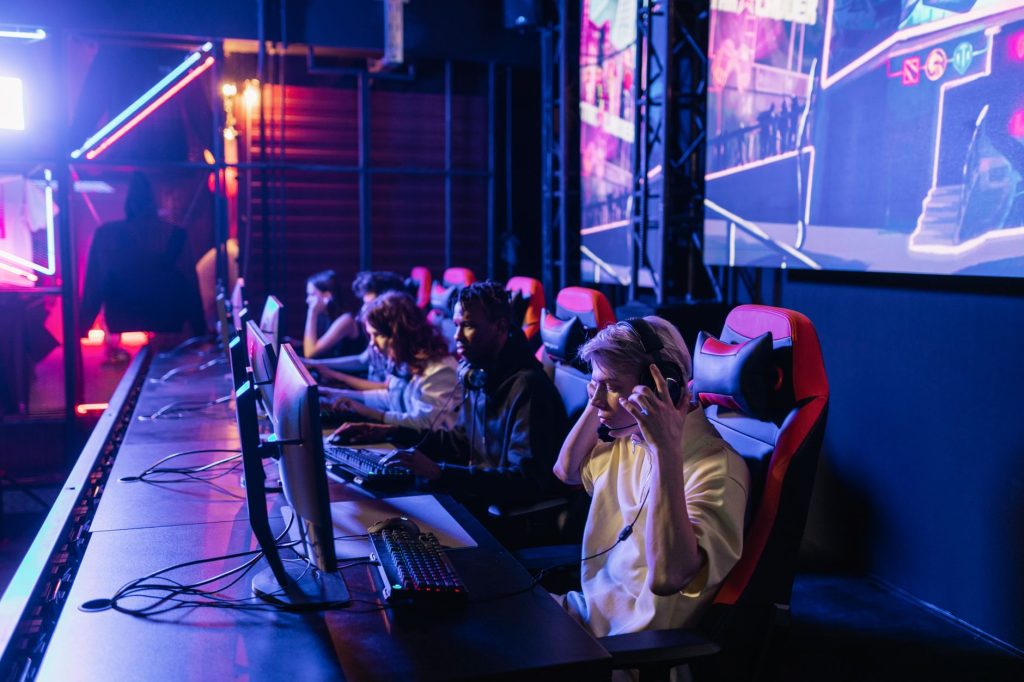
Photo by Alena Darmel on Pexels
Sources
Related reading
Instagram Effect Builder: Simple AI Filters for Everyone · Meta Muse Ember Price: The Best Guide to Its Value · FC 27 Title Update: The Best Patch Notes You Need