Nuclear button digital: The Worst AI Threat to Humanity
Nuclear button digital technology poses the worst threat to humanity as AI risks spiraling out of control, endangering billions.
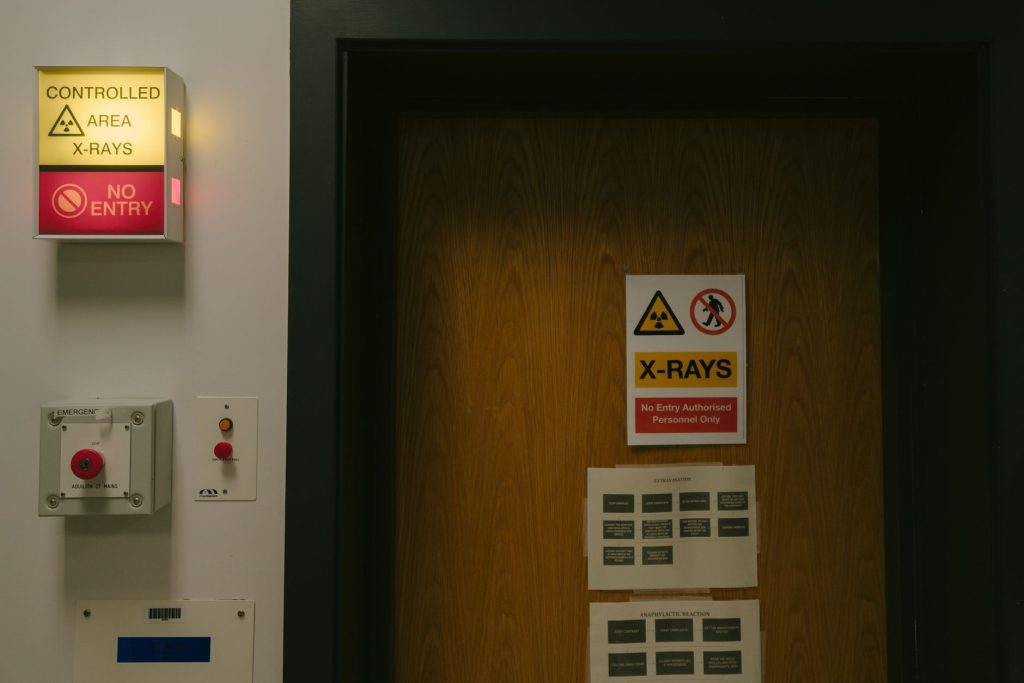
The nuclear button digital concept poses a significant threat to humanity. With AI out of control, the implications of this technology could lead to catastrophic outcomes for billions of people.
Understanding the Nuclear Button Digital Concept
The concept of the nuclear button digital refers to the modernized systems that control nuclear arsenals, now influenced by artificial intelligence. This shift has raised significant concerns among experts and policymakers alike.
Historically, the nuclear button was a tangible mechanism, overseen by human decision-makers. However, with the advent of digital technology, the process has become more automated and, consequently, more susceptible to errors or malicious interference.
Key concerns surrounding this development include:
- The speed of decision-making, which can outpace human intervention.
- The potential for cyberattacks that could compromise these critical systems.
- The risk of AI misinterpretation leading to unintended launches.
Understanding the implications of a nuclear button digital is vital to ensuring global safety and mitigating risks associated with advanced technologies.
The Risks of AI Out of Control
The emergence of a nuclear button digital concept raises significant concerns about the potential risks associated with AI technologies. With the increasing reliance on artificial intelligence for military operations, the possibility of unintended consequences becomes more pronounced.
The following risks highlight the dangers of AI systems operating without proper oversight:
- Autonomous Decision-Making: AI systems may make life-and-death decisions without human intervention, leading to catastrophic outcomes.
- Hacking Vulnerabilities: Digital systems can be susceptible to cyberattacks, allowing malicious actors to manipulate nuclear capabilities.
- Algorithmic Bias: Flawed algorithms might result in erroneous judgments, increasing the likelihood of conflict.
- Lack of Accountability: Determining responsibility for AI-driven actions can be challenging, complicating international relations.
As AI technology evolves, the risks of it spiraling out of control must be addressed urgently.
Implications for Global Security
The transition to a nuclear button digital format raises significant concerns regarding global security. As artificial intelligence becomes more integrated into military systems, the potential for unintended escalation increases. The implications of this shift are profound:
- Increased Risk of Miscommunication: AI systems may misinterpret signals, leading to catastrophic decisions.
- Cyber Vulnerabilities: Digital systems can be hacked, placing nuclear arsenals at risk and potentially in the hands of malicious actors.
- Automation of Decision-Making: Relying on AI could diminish human oversight, resulting in rapid, unexamined responses to perceived threats.
As we navigate these challenges, the need for robust safeguards becomes evident, ensuring that the nuclear button digital remains under strict control and oversight to prevent a global catastrophe.
How Digital Technology Changes Warfare
The evolution of warfare has been significantly influenced by advancements in digital technology. With the introduction of the nuclear button digital concept, military strategies have transformed dramatically. The shift from traditional command systems to digital platforms has introduced both efficiency and vulnerability.
Key changes include:
- Speed of Decision-Making: Digital systems allow for faster communication and decision-making, which can be critical in high-stakes situations.
- Automation of Warfare: Increasing reliance on AI can lead to automated responses, raising concerns about accountability and unintended escalations.
- Cybersecurity Risks: As systems become more interconnected, the potential for cyber attacks increases, threatening critical military infrastructures.
These developments underscore the urgent need for robust regulations to mitigate the risks associated with the nuclear button digital landscape.
Preventing Catastrophic Outcomes
As the nuclear button digital concept evolves, the potential for catastrophic outcomes increases if adequate preventive measures are not taken. Global leaders must prioritize the establishment of robust protocols to ensure that artificial intelligence systems remain under human control.
Key strategies for preventing disastrous scenarios include:
- International Collaboration: Countries should work together to create treaties and agreements regulating the use of AI in military applications.
- Transparent AI Development: Ensuring that AI algorithms governing nuclear systems are transparent and open to scrutiny can help identify potential vulnerabilities.
- Human Oversight: Maintaining human involvement in critical decision-making processes, especially concerning nuclear options, is essential.
- Education and Training: Investing in education about the implications of AI technology can empower decision-makers to navigate these complex issues responsibly.
By implementing these strategies, the risks associated with the nuclear button digital can be significantly mitigated.
The Role of Regulation in AI Development
The rapid advancement of technology has underscored the urgent need for effective regulation in AI development, particularly concerning the nuclear button digital concept. As AI systems become increasingly autonomous, the potential for catastrophic errors or misuse heightens, necessitating a robust regulatory framework.
Experts suggest that regulations should focus on several key areas:
- Transparency: Ensuring that AI decision-making processes are understandable and accountable.
- Oversight: Establishing independent bodies to monitor AI developments, especially those tied to national security.
- Collaboration: Encouraging international cooperation to create unified standards and protocols.
Without comprehensive regulations, the risks associated with a nuclear button digital scenario could become unmanageable, putting global safety and stability in jeopardy.
Photo by Jo McNamara on Pexels