Building Envelope Inspections: How to Prevent Costly Roof and Exterior Damage?
Learn the importance of building envelope inspections to prevent costly roof and exterior damage through early detection.
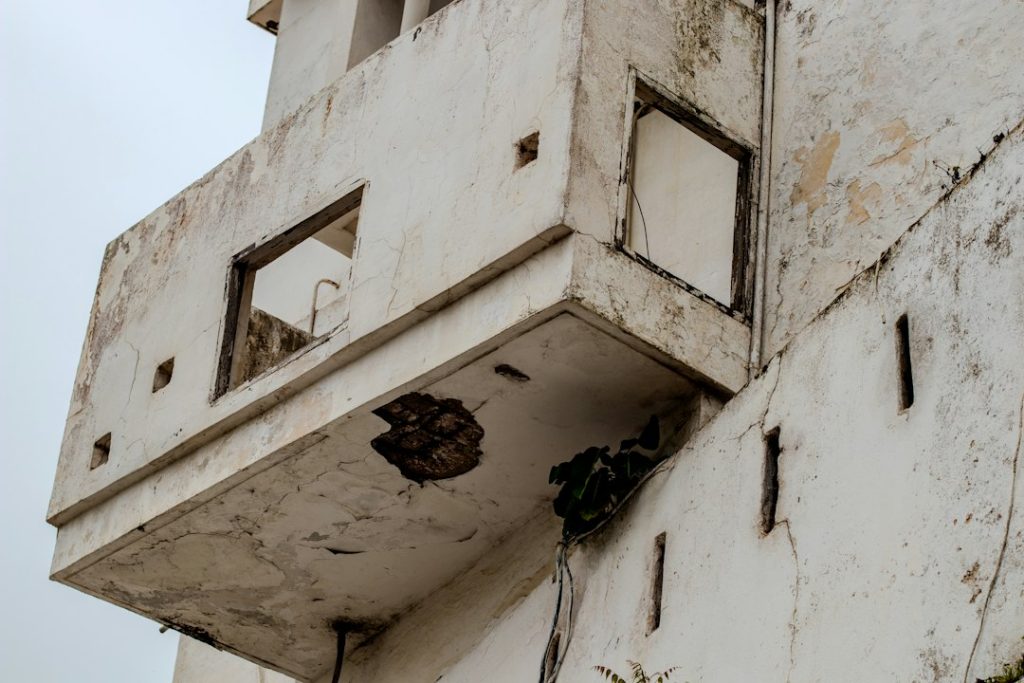
A building’s exterior is its first line of defense against rain, wind, temperature changes, and moisture. Over time, roofing systems, exterior walls, windows, doors, sealants, and drainage components can deteriorate. If these problems are not identified early, they can lead to water intrusion, material damage, interior repairs, and higher maintenance costs.
A professional building envelope inspection helps property owners understand the condition of these exterior systems and address problems before they become more expensive.
What Is a Building Envelope Inspection?
A building envelope inspection is a detailed review of the components that separate the interior of a building from the outside environment. The goal is to identify visible defects, signs of deterioration, and areas where moisture may be entering the structure.
A qualified structural engineer NJ property owners can evaluate exterior conditions that may affect structural performance, including cracking, movement, deteriorated masonry, damaged concrete, or compromised connections.
Common Building Envelope Problems
Many exterior issues begin small and become more serious over time. Regular inspections can help identify concerns before they spread.
Roof Deterioration
Loose materials, damaged flashing, aging membranes, clogged drains, and failed sealants can allow water to enter the building.
Exterior Wall Damage
Cracks, open joints, deteriorated mortar, damaged siding, and failing coatings can expose building materials to moisture.
Window and Door Leaks
Failed perimeter sealants or poorly performing openings may allow water and air infiltration, affecting both comfort and building performance.
Drainage Problems
Blocked gutters, poorly directed downspouts, and inadequate site drainage can cause water to collect near exterior walls and foundations.
Why Early Inspection Helps Reduce Costs
Small leaks and minor exterior defects are usually easier to correct than widespread damage. Early identification allows property owners to schedule repairs, manage budgets, and avoid emergency work.
For condominium and community associations, an NJ transition study may also help identify construction-related deficiencies and exterior conditions that should be addressed as responsibility for the property is transferred or long-term maintenance planning begins.
How Often Should Building Envelopes Be Inspected?
Inspection frequency depends on the age, design, materials, exposure, and maintenance history of the building. Properties should also be evaluated after severe weather, recurring leaks, visible cracking, or significant exterior repairs.
Protect Your Building Before Damage Spreads
Building envelope inspections are an important part of preventive maintenance. By identifying roof and exterior problems early, property owners can reduce repair costs, limit moisture-related damage, and extend the useful life of building components.
Regular professional evaluations support better planning, stronger maintenance decisions, and long-term protection of the property.
At a Glance
- A building’s exterior serves as the first line of defense against environmental elements like rain, wind, and temperature changes.
- Building envelope inspections help property owners identify visible defects and signs of deterioration in their building’s exterior systems.
- Common issues in building exteriors include roof deterioration, exterior wall damage, window and door leaks, and drainage problems.
- Early identification of small leaks and minor defects allows property owners to reduce repair costs and avoid more extensive damage.
- Inspection frequency for building envelopes should consider the building’s age, materials, exposure, and maintenance history.
- Regular professional evaluations of building exteriors support better planning and long-term protection of properties.