MacBook Pro touch screens: Worth the Extra Cost?
MacBook Pro touch screens are gaining attention as Apple bets buyers will pay more for them.
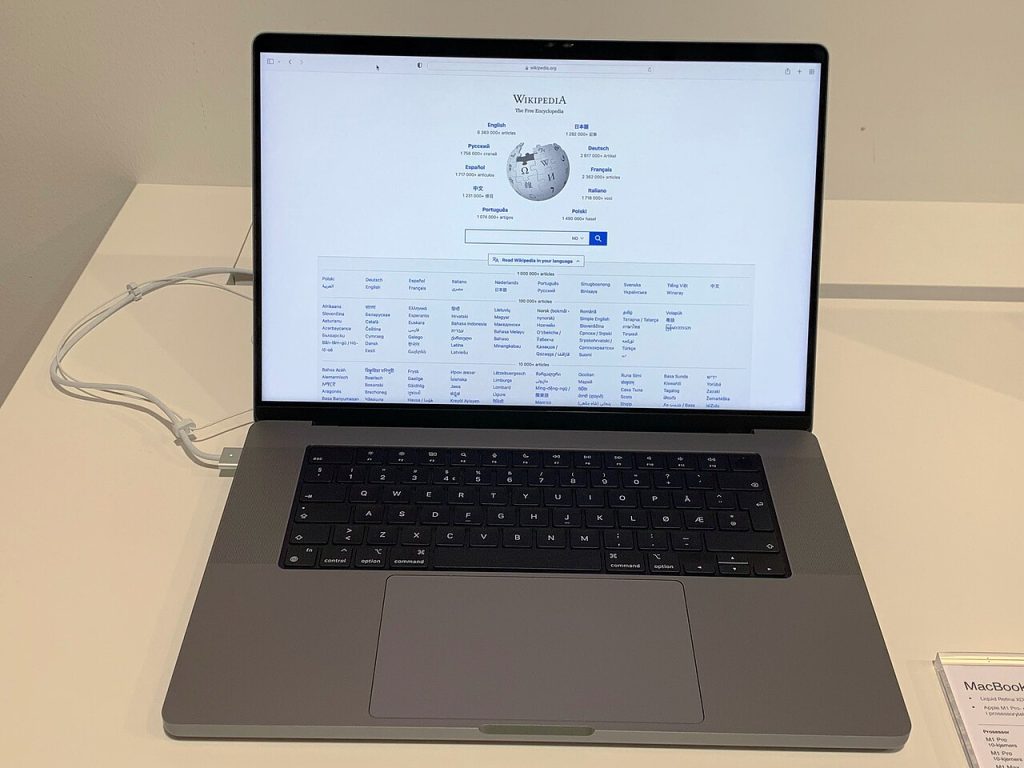
MacBook Pro touch screens are becoming a focal point as Apple anticipates that buyers will be willing to pay a premium for this feature. The tech giant is betting on enhanced functionality to attract more customers.
Why Apple is Focusing on Touch Screens
Apple’s recent decision to incorporate touch screens into the MacBook Pro lineup represents a significant shift in their design philosophy. Touch screens are becoming increasingly popular in the laptop market, and Apple seems confident that consumers will see the value in this enhancement.
Several reasons underscore Apple’s focus on integrating touch screens:
- Enhanced User Experience: Touch screens offer a more intuitive interaction, allowing users to navigate and manipulate content with ease.
- Increased Productivity: The ability to quickly access tools and features via touch can streamline workflows, especially for creative professionals.
- Market Demand: As competitors adopt similar technology, Apple aims to stay ahead by meeting evolving consumer expectations.
In an increasingly competitive landscape, the decision to introduce touch screens in the MacBook Pro may very well appeal to buyers willing to pay more for this feature.
The Benefits of Touch Screens on Laptops
The introduction of touch screens on laptops, particularly with the MacBook Pro, has sparked interest among consumers and professionals alike. Here are some of the key benefits:
- Enhanced Interactivity: Touch screens allow for a more intuitive experience, enabling users to interact directly with their applications.
- Improved Creativity: Creative professionals can utilize touch capabilities for tasks like drawing or graphic design, making the MacBook Pro touch screens a valuable tool.
- Streamlined Navigation: Touch screens can simplify navigation, allowing users to quickly access features and settings with a tap.
- Versatility: The combination of touch and traditional input methods offers users the flexibility to choose how they want to work.
With these advantages, many are wondering if the added cost of MacBook Pro touch screens is justified for their enhanced functionality.
Are MacBook Pro Touch Screens Worth It?
As Apple introduces touch screens to its MacBook Pro lineup, potential buyers are left wondering if the added cost is justified. While the touch screen feature offers enhanced interactivity, it’s essential to consider the implications on user experience and productivity.
Proponents argue that MacBook Pro touch screens provide a more intuitive way to interact with applications, making tasks such as photo editing and graphic design more engaging. However, detractors raise concerns about battery life and the durability of the screens.
Before making a decision, consumers should weigh the following factors:
- Usage Patterns: Do you need touch functionality for your work?
- Cost-Benefit Analysis: Is the price increase worth the features offered?
- Long-Term Value: Will the touch screen enhance productivity over time?
Ultimately, the choice will depend on individual preferences and professional requirements.
Market Reaction to Apple’s Touch Screen Strategy
The introduction of touch screens in the MacBook Pro lineup has sparked mixed reactions among consumers and industry analysts alike. While some users embrace the enhanced interactivity, others question whether the added cost justifies the benefits.
Many early adopters have reported a positive experience, highlighting the intuitive functionality that touch screens offer when multitasking or using creative software. However, a segment of the market remains skeptical about long-term reliability and potential maintenance issues associated with touch screens.
Analysts note that Apple’s strategy appears to be aimed at capturing a more creative audience, willing to invest in premium features like the MacBook Pro touch screens. The question remains whether this gamble will pay off in the long run or if it will alienate traditional users who prefer a more conventional laptop experience.
- Positive Feedback: Enhanced user experience and interactivity.
- Skepticism: Concerns over reliability and maintenance.
- Target Audience: Creative professionals willing to pay more.
Comparing MacBook Pro Models with Touch Screens
When considering the latest MacBook Pro models, the addition of touch screens has become a significant point of comparison. Consumers are faced with various options, each presenting distinct features and price points. Here are key aspects to weigh:
- Display Quality: The touch screens offer vibrant colors and better responsiveness, enhancing the overall user experience.
- Price Difference: Models equipped with touch screens typically come with a higher price tag, prompting buyers to evaluate if the benefits justify the cost.
- Functionality: Touch screens allow for more intuitive interactions, particularly for creative professionals who rely on precision and ease of use.
- Battery Life: Some users report that models with touch screens may consume more power, impacting overall battery performance.
Ultimately, potential buyers must decide if the convenience of MacBook Pro touch screens aligns with their personal or professional needs.
Many users are debating whether the added functionality of MacBook Pro touch screens justifies the extra cost. Ultimately, the decision may hinge on how often one would utilize the features that MacBook Pro touch screens offer.
via Wikimedia Commons