Microsoft 365 AI readiness: Is it the Best for Your Needs?
Microsoft 365 AI readiness is crucial for organizations using Copilot and AI models.
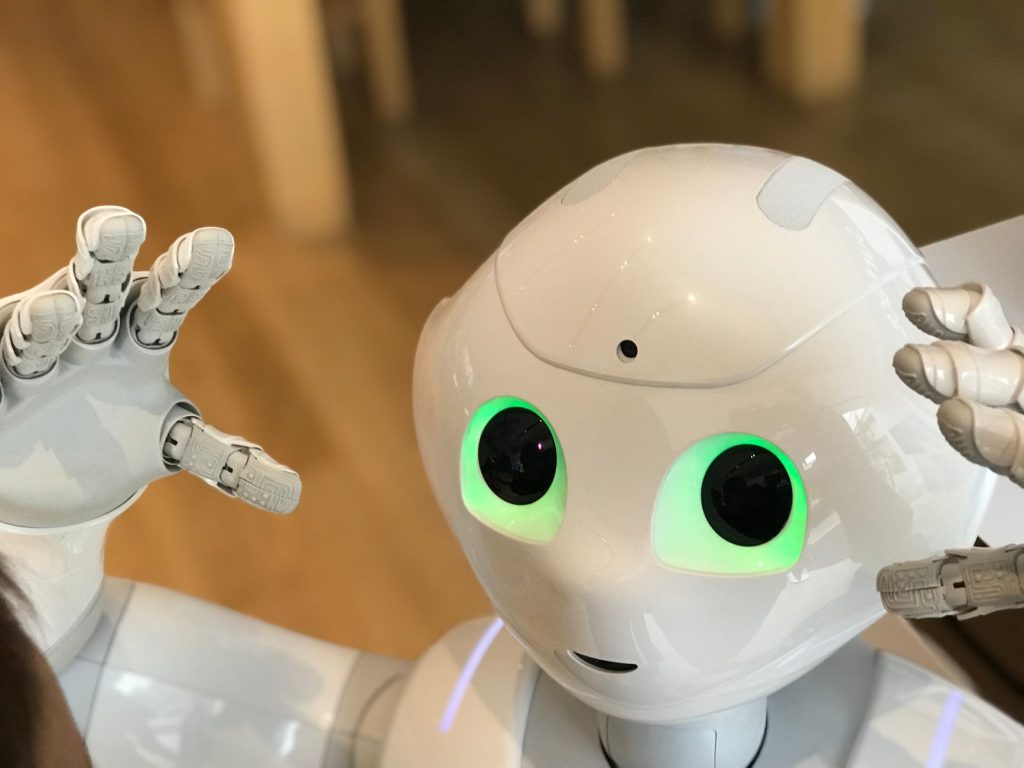
Microsoft 365 AI readiness is essential for businesses leveraging advanced AI technologies. The recent feature by G2 TechBlend highlights EPC Group’s TAR-8 Standard, ensuring organizations are prepared for AI integration.
Understanding Microsoft 365 AI Readiness
As organizations increasingly adopt artificial intelligence solutions, understanding Microsoft 365 AI readiness becomes crucial. This readiness refers to the ability of businesses to integrate AI tools effectively within the Microsoft 365 ecosystem. Companies need to assess their current infrastructure and workflows to determine how well they can support AI technologies.
Key aspects of Microsoft 365 AI readiness include:
- Infrastructure Compatibility: Ensuring existing systems can handle AI tools like Copilot and multi-model AI.
- Training and Support: Providing adequate training for employees to utilize AI features effectively.
- Data Management: Maintaining organized and accessible data for AI algorithms to function optimally.
- Security Measures: Implementing robust security protocols to protect sensitive information used by AI systems.
By evaluating these factors, businesses can better align their goals with the capabilities offered by Microsoft 365 and enhance their overall AI readiness.
What is the TAR-8 Standard?
The TAR-8 Standard is a comprehensive framework designed to enhance Microsoft 365 AI readiness across various applications, including Copilot and multi-model AI implementations. This standard aims to streamline the integration of artificial intelligence within the Microsoft 365 ecosystem, ensuring organizations can maximize their productivity and efficiency.
Key components of the TAR-8 Standard include:
- Assessment: Evaluating existing infrastructure to determine readiness for AI adoption.
- Integration: Facilitating seamless interaction between Microsoft 365 applications and AI technologies.
- Compliance: Ensuring adherence to data governance and security protocols.
- Training: Providing resources and support for staff to effectively utilize AI tools.
By implementing the TAR-8 Standard, organizations can improve their Microsoft 365 AI readiness, paving the way for enhanced decision-making and innovative solutions in their operations.
How Copilot Enhances AI Capabilities
Microsoft 365 AI readiness is significantly enhanced by the introduction of Copilot, a feature designed to streamline workflows and improve productivity across various applications. By integrating advanced AI capabilities, Copilot assists users in generating content, automating repetitive tasks, and providing data-driven insights in real-time.
Key benefits of Copilot include:
- Seamless Integration: Copilot works within familiar Microsoft 365 applications, ensuring a smooth transition for users.
- Personalized Assistance: Leveraging AI, it tailors suggestions based on individual user behavior and project requirements.
- Increased Efficiency: Copilot helps reduce time spent on mundane tasks, allowing users to focus on strategic initiatives.
With its robust features, Copilot exemplifies how organizations can maximize their Microsoft 365 AI readiness, ultimately driving better decision-making and collaboration across teams.
Benefits of Multi-Model AI
As organizations increasingly adopt new technologies, understanding the benefits of multi-model AI becomes essential. Microsoft 365 AI readiness positions companies to leverage these advanced systems effectively. Multi-model AI enables users to integrate various data types and models, enhancing decision-making processes.
Some key benefits include:
- Improved Efficiency: By utilizing multiple AI models, organizations can streamline workflows and automate repetitive tasks, saving valuable time.
- Enhanced Insights: Combining different data sources allows for deeper analysis, leading to more informed business decisions.
- Scalability: Multi-model AI adapts to varying business needs, ensuring that organizations can grow without significant overhauls in their AI strategy.
- Flexibility: Users can select specific models tailored to their unique requirements, maximizing the benefits of Microsoft 365 AI readiness.
Overall, integrating multi-model AI within Microsoft 365 can significantly elevate an organization’s operational capabilities.
The Role of G2 TechBlend in AI Standards
In the evolving landscape of artificial intelligence, G2 TechBlend plays a pivotal role in establishing AI standards, particularly in relation to Microsoft 365 AI readiness. As organizations increasingly adopt AI solutions, the need for robust standards becomes essential for ensuring seamless integration and optimal performance.
G2 TechBlend has been instrumental in promoting the TAR-8 Standard, which provides a framework for evaluating AI readiness across various platforms, including Microsoft 365. This standard not only aids companies in assessing their current capabilities but also guides them in implementing best practices for AI deployment.
Key contributions of G2 TechBlend include:
- Facilitating collaboration among industry leaders to share insights and strategies.
- Providing resources that help organizations align their AI initiatives with TAR-8 compliance.
- Encouraging innovation in AI applications, driving advancements within the Microsoft 365 ecosystem.
Through these efforts, G2 TechBlend ensures that businesses are well-equipped to harness the full potential of AI technology.
Challenges in AI Readiness
While Microsoft 365 AI readiness offers numerous advantages, organizations may face several challenges in its implementation. These challenges can hinder the effective integration of AI capabilities into existing workflows.
- Data Privacy Concerns: Ensuring compliance with data protection regulations can complicate AI readiness, especially when handling sensitive information.
- Integration Complexity: Merging AI tools with legacy systems may require significant technical resources and expertise, which some organizations might lack.
- Employee Training: The successful adoption of Microsoft 365 AI features requires comprehensive training programs to help staff leverage the technology effectively.
- Cost Considerations: The financial investment needed for implementation, maintenance, and ongoing support can be a barrier for smaller businesses.
- Scalability Issues: Organizations must ensure that their infrastructure can scale to accommodate the demands of AI applications without compromising performance.
Addressing these challenges is essential for maximizing the benefits of Microsoft 365 AI readiness.
Real-World Applications of AI in Business
As businesses increasingly adopt technology, the real-world applications of AI in business settings are becoming more pronounced. Microsoft 365 AI readiness plays a crucial role in this transformation, allowing organizations to leverage AI tools effectively.
Some notable applications include:
- Customer Service Automation: AI-driven chatbots integrated within Microsoft 365 can help manage inquiries, providing instant support and improving customer satisfaction.
- Data Analysis: Leveraging AI capabilities, businesses can analyze large datasets quickly, identifying trends and insights that inform strategic decisions.
- Personalized Marketing: AI tools can analyze customer behavior, enabling targeted marketing campaigns that resonate with specific audiences.
- Collaboration Tools: With AI-enhanced features in Microsoft 365, teams can streamline workflows, facilitating better collaboration and productivity.
These applications illustrate how Microsoft 365 AI readiness can empower businesses to innovate and enhance their operational efficiency.
Future Trends in AI and Microsoft 365
As organizations increasingly adopt AI technologies, future trends in AI and Microsoft 365 are shaping the way businesses operate. With Microsoft 365 AI readiness becoming a top priority, companies must stay ahead of the curve by understanding emerging innovations.
One notable trend is the integration of advanced AI capabilities into everyday workflows, which enhances productivity and efficiency. Businesses are expected to leverage AI tools like Copilot for more intuitive interactions and streamlined processes.
Additionally, the emphasis on ethical AI and compliance with standards, such as the TAR-8, will guide organizations in their implementation of AI solutions.
Looking ahead, companies that prioritize Microsoft 365 AI readiness will likely gain a competitive edge, as they can harness the full potential of AI to meet their specific needs and drive growth.
- Increased automation in routine tasks
- Growth of personalized AI experiences
- Enhanced data analytics capabilities
Photo by Laura Musikanski on Pexels
Read the original
Related reading
Castlevania Belmont’s Curse: Worthy of the Whip · Nuclear button digital: The Worst AI Threat to Humanity · Muse Wonder AI models: The Best Proven Challenge to OpenAI