Nanoparticles in the body: New guidance for safety and clarity
Nanoparticles in the body are now better understood thanks to new guidance from scientists, ensuring safer applications in medicine.
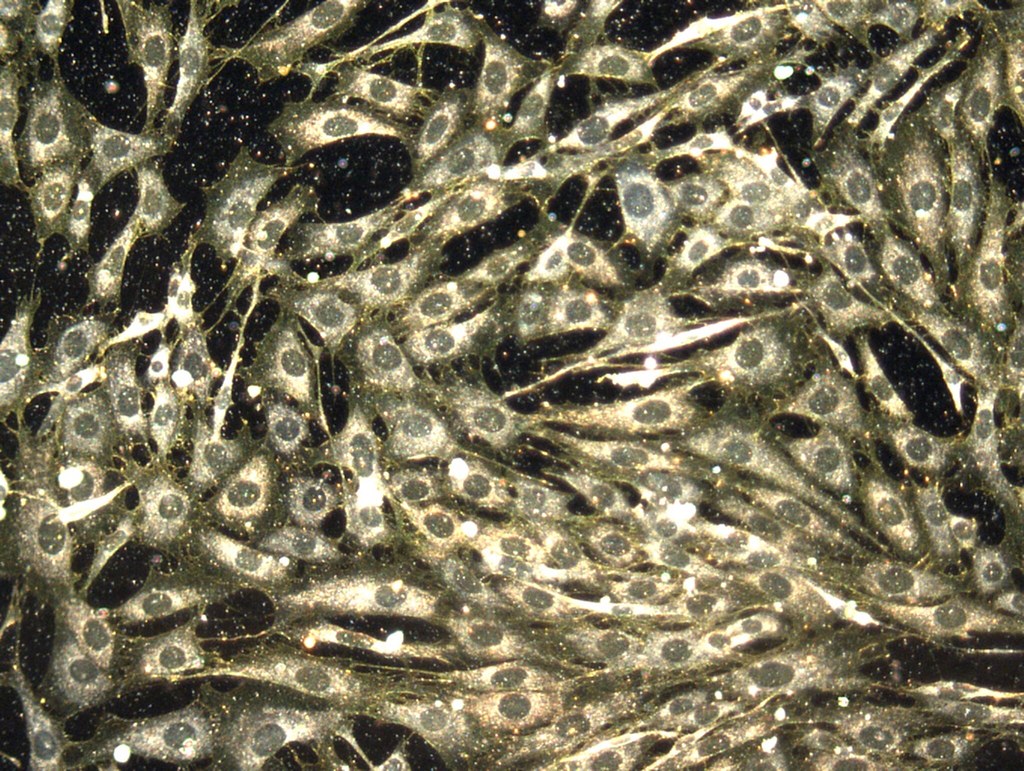
Nanoparticles in the body have become a focal point of scientific research. Recent studies aim to clarify their pathways and impacts, providing essential guidance for future applications.
Understanding Nanoparticles
Nanoparticles are tiny particles that measure between 1 and 100 nanometers in size. Their unique properties make them valuable in various fields, including medicine, electronics, and environmental science. Understanding nanoparticles in the body is crucial, as their behavior can significantly impact health and safety.
When nanoparticles enter the body, they can interact with biological systems in complex ways. The following factors influence their behavior:
- Size: Smaller nanoparticles can penetrate cell membranes more easily, potentially leading to different biological responses.
- Shape: The shape of nanoparticles can affect how they are distributed in the body and how they interact with cells.
- Coating: Surface coatings can enhance or hinder the biocompatibility of nanoparticles, influencing their safety profile.
- Charge: The electrical charge of nanoparticles can determine how they aggregate and interact with biological molecules.
Recent research aims to establish guidelines for the safe use of nanoparticles in various applications. Understanding the pathways they take after entering the body can help mitigate potential risks and enhance their therapeutic benefits.
The Journey of Nanoparticles in the Body
Nanoparticles in the body undergo a complex journey that begins as they are introduced through various means, such as drug delivery systems, medical devices, or environmental exposure. Once inside, their fate is influenced by a variety of factors, including their size, shape, and surface properties.
Initially, these particles may enter the bloodstream, allowing them to circulate throughout the body. Depending on their characteristics, they can either remain in the bloodstream or migrate to different tissues. The body’s immune system plays a critical role in this process, as it may recognize these foreign particles and attempt to eliminate them.
Research indicates that nanoparticles can accumulate in specific organs, such as the liver, spleen, and lungs. This accumulation can lead to both therapeutic benefits and potential risks depending on the type of nanoparticles involved.
- Therapeutic Benefits: Targeted drug delivery can enhance treatment efficacy.
- Potential Risks: Accumulation may lead to toxicity or inflammation.
Understanding the journey of nanoparticles in the body is essential for developing guidelines that ensure their safe use in medical applications.
Health Implications of Nanoparticles
The health implications of nanoparticles in the body have garnered significant attention from researchers and health professionals alike. While these tiny particles offer exciting applications in medicine and technology, their interaction with biological systems raises concerns about safety and long-term effects.
Recent studies have revealed that nanoparticles can cross biological barriers, potentially leading to unexpected outcomes. Here are some key health implications associated with nanoparticles:
- Cellular Interaction: Nanoparticles can interact with cells in various ways, including altering cellular function or causing oxidative stress.
- Immune Response: The introduction of foreign nanoparticles in the body may trigger an immune response, leading to inflammation or allergic reactions.
- Accumulation: Certain nanoparticles may accumulate in organs such as the liver, kidneys, or lungs, which may pose risks over time.
- Toxicity: Some nanoparticles have shown potential toxicity, highlighting the need for thorough safety evaluations.
As the field evolves, it is essential to establish clear guidelines for the safe use of nanoparticles in the body, ensuring both their benefits and risks are adequately addressed. Continued research will help clarify these implications and guide future applications.
Recent Research Findings
Recent studies have shed light on the behavior of nanoparticles in the body, revealing crucial insights about their distribution, accumulation, and potential impacts on health. Researchers emphasize the importance of understanding how nanoparticles interact with various biological systems.
- Distribution: Nanoparticles can travel through the bloodstream and may accumulate in specific organs, such as the liver and lungs. This phenomenon raises questions about their long-term effects.
- Biocompatibility: Recent findings suggest that not all nanoparticles are created equal. Some materials are more biocompatible, leading to reduced risks of inflammation or toxicity.
- Cellular Uptake: Studies demonstrate that nanoparticles can be taken up by cells through various mechanisms. Understanding these pathways is essential for developing safer biomedical applications.
- Excretion: Researchers are also investigating how efficiently nanoparticles can be excreted from the body, which is vital for assessing their safety in therapeutic contexts.
Overall, this growing body of research supports the development of new guidelines aimed at ensuring the safe use of nanoparticles in medical and environmental applications.
Guidelines for Safe Use
In light of recent findings regarding the behavior of nanoparticles in the body, new guidelines have been established to ensure their safe use in various applications. These guidelines emphasize the importance of understanding how nanoparticles interact with biological systems and the potential health implications they may pose.
Key recommendations include:
- Thorough Assessment: Conduct comprehensive evaluations of nanoparticle characteristics, including size, shape, and surface properties, to determine their behavior once inside the body.
- Risk Management: Implement risk assessment protocols to identify potential exposure risks and establish safety limits for nanoparticle usage in consumer products and medical applications.
- Monitoring and Reporting: Encourage continuous monitoring of nanoparticles in the body, particularly in clinical settings, to gather data on their long-term effects and performance.
- Public Awareness: Increase awareness among healthcare professionals and the public regarding the implications of nanoparticles in the body, ensuring informed decisions about their use.
These guidelines aim to enhance safety and foster innovation, ensuring that the benefits of nanoparticles can be realized while minimizing potential health risks.
Future Directions in Nanotechnology
The future of nanotechnology holds immense promise, especially regarding the safety and efficacy of nanoparticles in the body. As researchers continue to explore the interactions between these tiny particles and biological systems, several key directions emerge that could shape future developments.
- Enhanced Understanding: Continued studies are essential to unravel the complex pathways that nanoparticles take once they enter the body. This includes investigating how they interact with different tissues and organs.
- Regulatory Frameworks: Establishing clear guidelines and regulations will be crucial for the safe application of nanoparticles in medical and consumer products. This will help ensure public confidence in nanotechnology.
- Novel Applications: The potential for nanoparticles extends beyond medicine. Future research may lead to innovative uses in environmental remediation, energy storage, and advanced materials.
- Public Engagement: As advancements continue, educating the public about the benefits and risks associated with nanoparticles in the body will be vital to foster informed discussions and acceptance.
In summary, the future directions in nanotechnology are not only about scientific discovery but also about ensuring the responsible use of nanoparticles, paving the way for safer applications that benefit society as a whole.
By National Institutes of Health (NIH) via Openverse
Where this came from
Witcher 3 Remastered Patch Notes: Is It Worth the Upgrade? · iPhone StandBy Features: The Best Five Unannounced Faces · AMD World Labs acquisition: A Smart Move for AI Growth