When Do Kids Learn To Tie Shoes: Tips And Milestones
Kids typically learn to tie their shoes around the ages of 5 to 7. This milestone can be both exciting and challenging for children and parents alike.…
Kids typically learn to tie their shoes around the ages of 5 to 7. This milestone can be both exciting and challenging for children and parents alike. Developing fine motor skills is crucial, and practice makes perfect.
Children often struggle with this task due to coordination and patience. It’s essential to provide encouragement and support during this learning process. Remember, each child learns at their own pace when it comes to mastering the art of shoe-tying.

When Do Kids Learn to Tie Shoes: A Comprehensive Guide
Learning to tie shoes is a rite of passage for many children, marking a step towards increased independence and fine motor skills development. This essential skill may seem simple to adults, but for kids, mastering the art of tying shoelaces can be a challenging yet rewarding endeavor. In this guide, we will delve into the fascinating world of shoelace tying, exploring the age at which kids typically learn this skill, different methods of teaching, and tips for parents to support their children through this milestone.
At What Age Do Kids Typically Learn to Tie Shoes?
One of the burning questions on many parents’ minds is when their child will be ready to tackle the task of tying shoes. While each child develops at their own pace, most kids start to show an interest in learning this skill between the ages of 4 and 6. At this stage, children are honing their fine motor skills, hand-eye coordination, and cognitive abilities, all of which are crucial for mastering shoelace tying.
By the age of 4, many children have developed the necessary dexterity and cognitive understanding to begin learning how to tie their shoes. However, it’s essential to remember that every child is different, and some may grasp this skill earlier or later than others. The key is to observe your child’s readiness cues and introduce shoe-tying lessons when they show interest and capability.
Methods for Teaching Kids to Tie Shoes
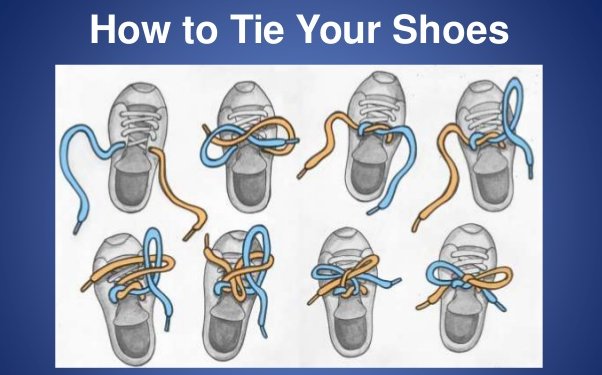
There are several methods and techniques that parents can use to teach their children how to tie shoes. One popular approach is the “Bunny Ears” method, where the child creates two loops and ties them together. This method is simple and easy for kids to grasp, making it a great starting point for beginners.
Another common technique is the “Loop Swoop and Pull” method, which involves making a loop with one lace, wrapping the other lace around it, and pulling it through. This method is slightly more advanced but can be a fun challenge for kids who have mastered the Bunny Ears technique.
Using visual aids such as colorful shoelaces or diagrams can also help make the learning process more engaging and understandable for children. Some parents find that incorporating a story or song into the shoelace tying lesson can capture their child’s interest and make the experience more memorable.
Tips for Parents to Support Their Kids in Learning to Tie Shoes
As a parent, you play a crucial role in helping your child master the skill of tying shoes. Here are some tips to support your little one through this learning journey:
1. Be Patient and Encouraging
Learning to tie shoes can be frustrating for kids, so it’s important to remain patient and offer words of encouragement. Celebrate small victories and provide positive reinforcement to boost your child’s confidence.
2. Practice Consistently
Practice makes perfect, so set aside time each day to work on shoelace tying skills with your child. Consistent practice will help reinforce the learning and improve your child’s proficiency over time.
3. Break Down the Steps
Breaking down the shoe-tying process into simple steps can make it less overwhelming for children. Start with teaching each step separately before combining them into a cohesive tying motion.
4. Make it Fun
Turning shoelace tying into a game or a fun activity can make the learning process enjoyable for kids. Consider incorporating a timer, rewards, or a shoelace tying race to make practicing more exciting.
5. Provide Positive Feedback
Offering positive feedback and praise when your child makes progress or successfully ties their shoes can boost their motivation and determination to keep practicing. Remember to focus on effort rather than perfection.
Learning to tie shoes is a significant milestone in a child’s development, signaling their growing independence and fine motor skills. By understanding when kids typically learn to tie shoes, exploring different teaching methods, and following tips for parents to support their children through this process, you can help your little one master this essential skill with confidence and success. Remember to make the learning experience fun, engaging, and full of encouragement, and celebrate each small step towards shoelace tying mastery!
With patience, practice, and positivity, your child will soon be proudly showing off their perfectly tied shoelaces – a true testament to their newfound independence and budding capabilities.
HOW TO TIE YOUR SHOES – Easy for Kids!
Frequently Asked Questions
At what age do children typically learn to tie their shoes?
Children typically start learning how to tie their shoes between the ages of 4 and 6. However, the exact age can vary from child to child based on their development and fine motor skills.
How can parents help children learn to tie their shoes?
Parents can help children learn to tie their shoes by breaking down the process into simple steps, using a shoe with laces that are easier to manipulate, and practicing patience and encouragement during the learning process.
What are some tips for teaching a child how to tie their shoes?
Some tips for teaching a child how to tie their shoes include demonstrating the steps slowly and clearly, providing verbal instructions along with the demonstration, and offering positive reinforcement for each successful attempt.
Final Thoughts
Children typically learn to tie their shoes between the ages of 5 and 7. It is a milestone that requires coordination and fine motor skills. Parents can help by using fun and engaging methods to teach this essential skill. Understanding developmental readiness is key to successful shoe-tying. Remember, every child is different, so be patient and supportive during the learning process. Learning to tie shoes is a significant step towards independence for kids.