Key Considerations When Assessing Risk: Select All That Apply.
When assessing risk, it’s crucial to consider various factors. Key elements such as the nature of the risk, potential impacts, and likelihood of…
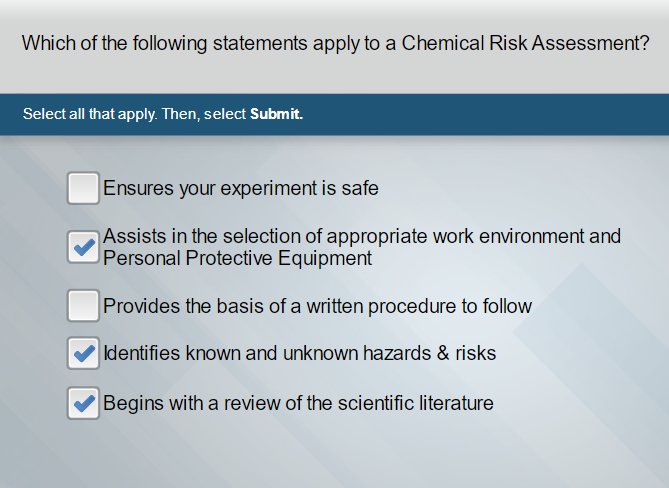
When assessing risk, it’s crucial to consider various factors. Key elements such as the nature of the risk, potential impacts, and likelihood of occurrence must be carefully evaluated. Additionally, the context in which the risk exists and the capabilities of the organization play a significant role. In the process of assessing risk, keeping in mind ‘the following should be considered when assessing risk. (select all that apply)’ is indispensable for making informed decisions and effective risk management strategies.

The Following Should Be Considered When Assessing Risk (Select All That Apply)
Introduction
When it comes to making decisions, whether big or small, there is always an element of risk involved. Risk assessment is a crucial process that helps individuals and organizations weigh the potential outcomes of different actions. By considering various factors, one can better understand and manage risks effectively. Let’s dive into the key aspects that should be considered when assessing risk.
Understanding the Nature of Risk
Before delving into risk assessment, it’s essential to grasp what risk actually means. Risk is the possibility of something unfavorable happening or a situation leading to loss or harm. By acknowledging this definition, we can approach risk assessment with a clear perspective.
Identifying Potential Risks
The first step in assessing risk is to identify all potential risks associated with a particular decision or action. This involves brainstorming and creating a comprehensive list of all the factors that could lead to negative consequences. For example, in a business setting, risks could range from financial uncertainties to operational challenges.
Evaluating Probability and Impact
Once risks are identified, it’s crucial to evaluate both their probability of occurring and the potential impact if they materialize. Some risks may have a high likelihood of happening but with minimal consequences, while others could be low in probability but with severe repercussions. Understanding this balance is key to prioritizing risks.
Types of Risks
Not all risks are created equal. There are different types of risks that one must consider when assessing overall risk exposure. Some common types include:
Financial Risks
Financial risks pertain to potential losses related to money, investments, or cash flow. These risks could arise from market fluctuations, economic downturns, or poor financial management practices. Assessing financial risks is crucial for ensuring the stability and growth of an individual or organization’s financial health.
Operational Risks
Operational risks are linked to internal processes, systems, and human factors within an organization. These risks encompass issues such as supply chain disruptions, technology failures, and human errors. By addressing operational risks, businesses can enhance efficiency and mitigate potential disruptions.
Compliance Risks
Compliance risks stem from failing to adhere to regulations, laws, or industry standards. Non-compliance can lead to legal penalties, reputational damage, and financial losses. Assessing compliance risks involves staying informed about relevant regulations and implementing robust compliance frameworks.
Risk Management Strategies
In addition to identifying and evaluating risks, developing effective risk management strategies is essential for mitigating potential threats. Some key strategies include:
Risk Avoidance
One approach to managing risks is to avoid them altogether by not engaging in activities that pose significant threats. While risk avoidance may eliminate exposure to certain risks, it could also limit opportunities for growth and innovation.
Risk Transfer
Risk transfer involves shifting the financial burden of risks to another party, such as through insurance policies or contractual agreements. This strategy can help distribute risks more effectively and protect against unforeseen events.
Risk Mitigation
Risk mitigation focuses on reducing the likelihood or impact of risks through proactive measures. This could involve implementing safety protocols, diversifying investments, or enhancing cybersecurity measures. By addressing risks at their core, organizations can fortify their resilience.
Continuous Monitoring and Review
Risk assessment is not a one-time task but an ongoing process that requires regular monitoring and review. By staying vigilant and proactive, individuals and organizations can adapt to changing circumstances and address emerging risks promptly. Continuous monitoring enables timely adjustments to risk management strategies, ensuring long-term success.
In conclusion, assessing risk is a multifaceted process that demands careful consideration of various factors. By understanding the nature of risk, identifying potential risks, evaluating probability and impact, and implementing effective risk management strategies, individuals and organizations can navigate uncertainties with greater confidence. Remember, risk assessment is not about eliminating risks entirely but about making informed decisions that balance potential rewards with potential losses. Stay vigilant, stay informed, and stay prepared to tackle whatever challenges may come your way.
Select All That Apply Questions
Frequently Asked Questions
What factors are important to consider when assessing risk?
When assessing risk, various factors must be taken into account to make informed decisions. These include the probability of a risk occurring, the potential impact or consequences if the risk materializes, the context within which the risk exists, the resources available to manage the risk, and any relevant regulations or guidelines that need to be followed.
How does the probability of a risk occurring influence its assessment?
The probability of a risk occurring directly affects the level of assessment required. Risks with a high probability of occurrence might need more attention and preventative measures, while risks with a lower probability may be considered less urgent but still important to monitor and manage.
Why is understanding the potential impact of a risk crucial in the assessment process?
Assessing the potential impact of a risk helps determine the severity of consequences should the risk come to fruition. This understanding enables organizations to prioritize risks based on their potential impact on operations, finances, reputation, safety, or other critical aspects of the business.
How does considering the context of a risk contribute to a more comprehensive assessment?
The context in which a risk exists can provide valuable insights into its nature and significance. Factors such as the industry sector, organizational goals, market conditions, and external influences help in understanding the specific implications of a risk and tailoring risk management strategies accordingly.
Final Thoughts
When assessing risk, consider the potential impact on stakeholders, likelihood of occurrence, and existing controls. Additionally, the organization’s risk appetite, regulatory requirements, and historical data must be evaluated. The following should be considered when assessing risk: stakeholder impact, likelihood, controls, risk appetite, regulations, and historical data. Striking the right balance in risk assessment is crucial for effective risk management.