Silent Ride: Cv Joint Noise When Driving Straight
Experiencing CV joint noise when driving straight can be concerning and disruptive to your driving experience. The distinct clicking or popping sound may…
Experiencing CV joint noise when driving straight can be concerning and disruptive to your driving experience. The distinct clicking or popping sound may indicate potential issues with your vehicle’s CV joints. It is crucial to address this problem promptly to prevent further damage and ensure safe driving. Ignoring these noises can lead to more significant repairs and safety risks down the road. Let’s delve deeper into the causes and solutions for CV joint noise to help you understand and resolve this issue efficiently.

The Mystery of CV Joint Noise When Driving Straight
Have you ever been cruising down the road, enjoying your music, when suddenly you hear an odd clicking or popping noise coming from your car? If you have, there’s a good chance that the culprit behind that noise is your CV joint. In this article, we will delve into the world of CV joint noise when driving straight, uncovering what causes it, how to identify it, and what you can do to address it. So buckle up, and let’s explore this common car issue together!
What is a CV Joint?
A constant velocity (CV) joint is a component of a car’s drivetrain that allows power to be transmitted from the transmission to the wheels at a constant speed, regardless of the angle of the steering. This crucial component is responsible for providing flexibility and smooth operation, especially during turns or when driving on uneven surfaces. There are two types of CV joints – inner CV joints, which connect to the transmission, and outer CV joints, which connect to the wheels.
Understanding CV Joint Noise
When your CV joint starts making noise while driving straight, it is often a sign of wear and tear or potential damage to the joint. The most common type of noise associated with a faulty CV joint is a clicking or popping sound. This noise typically occurs when you are driving at a constant speed with the wheels straight ahead and may become more pronounced when making turns.
Causes of CV Joint Noise When Driving Straight
There are several reasons why a CV joint may produce noise when driving straight:
Lack of Grease:
One common cause of CV joint noise is a lack of lubrication or grease. Over time, the protective grease inside the joint can deteriorate or leak out, leading to increased friction between the moving parts. This friction can result in the clicking or popping sounds you hear while driving.
Worn CV Joint:
Another reason for CV joint noise is wear and tear on the joint itself. As the CV joint ages, the internal components can deteriorate, leading to play in the joint and causing the characteristic clicking noise. This can be exacerbated by driving conditions, such as rough roads or aggressive driving.
Contaminated CV Joint:
If dirt, debris, or water seep into the CV joint, it can cause contamination and damage to the internal components. This contamination can lead to increased friction and wear on the joint, resulting in noise while driving straight.
Identifying CV Joint Noise
Now that you know what causes CV joint noise, how can you identify if your car’s noise is indeed coming from the CV joints? Here are a few signs to look out for:
Sound When Turning:
CV joint noise is often more noticeable when making sharp turns at slow speeds. If you hear a clicking or popping sound when turning, it could be a sign of CV joint issues.
Sound When Accelerating:
If the noise becomes more pronounced when you accelerate, especially when driving straight, it may indicate a problem with the CV joint.
Vibrations:
In some cases, a worn CV joint can cause vibrations that can be felt through the steering wheel or the floor of the car. If you notice unusual vibrations while driving straight, have your CV joints checked.
Addressing CV Joint Noise
Once you’ve identified that the noise is indeed coming from your CV joint, it’s essential to address the issue promptly to prevent further damage to your vehicle. Here are some steps you can take to address CV joint noise:
Inspect the CV Joint:
Visually inspect the CV joint boots for tears, cracks, or leaks. Any damage to the boots can allow dirt and debris to enter the joint, leading to contamination and noise. If you notice any damage, it’s best to replace the boots or the entire CV joint assembly.
Repack the CV Joint:
If the noise is due to a lack of grease, you can try repacking the CV joint with fresh grease. This can help reduce friction and eliminate the noise. However, if the joint is severely worn, repacking may only provide temporary relief.
Replace the CV Joint:
If the CV joint is severely worn or damaged, it is best to replace the entire joint to ensure the continued safety and performance of your vehicle. While this may be a more expensive option, it is a long-term solution to the problem.
CV joint noise when driving straight is a common issue that many car owners face. By understanding the causes of this noise, how to identify it, and the steps to address it, you can ensure the continued reliability and safety of your vehicle. Remember to address any unusual noises coming from your car promptly to prevent further damage and costly repairs down the road. Safe driving!
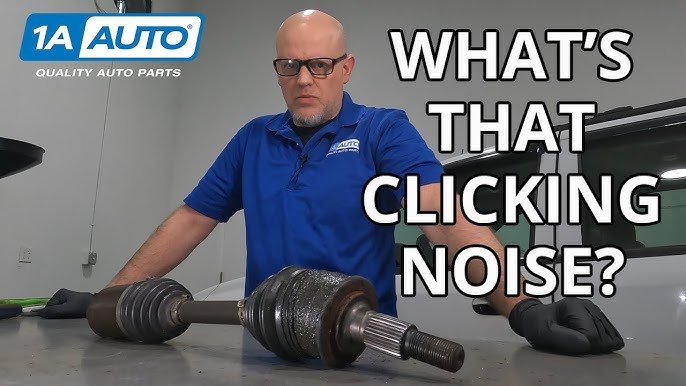
What a bad CV joint sounds like
Frequently Asked Questions
What are the common symptoms of a faulty CV joint causing noise when driving straight?
A faulty CV joint can produce a clicking or popping sound while turning, accelerating, or driving straight. Additionally, you may experience vibrations felt in the steering wheel or hear a continuous knocking noise when going straight at constant speed.
Can driving with a noisy CV joint be dangerous?
Driving with a noisy CV joint can be risky as it indicates potential internal damage that can lead to complete joint failure. It may result in loss of control of the vehicle, especially during high-speed driving or while making sharp turns.
How can I distinguish between CV joint noise and other possible sources of vehicle noise?
To distinguish CV joint noise from other sources, you can perform simple maneuvers like turning the wheel while driving to see if the noise changes. CV joint noise typically varies with steering position and may also be accompanied by vibrations in the steering wheel or floor.
Final Thoughts
In conclusion, the presence of a CV joint noise when driving straight can be indicative of potential issues within the vehicle’s joints. Ignoring these sounds can lead to further damage and safety risks. Promptly addressing the root cause of the noise is crucial to maintaining the integrity of the drive system. Remember to consult a professional mechanic for a thorough inspection and necessary repairs. Don’t overlook the importance of addressing CV joint noise when driving straight for a smooth and safe driving experience.