Cold Truths: What Freezing Weather Does to Your Concrete and Wood Structure
Cold weather exposes stresses within buildings that warmer seasons often hide. As temperatures drop, materials respond differently than they do under…
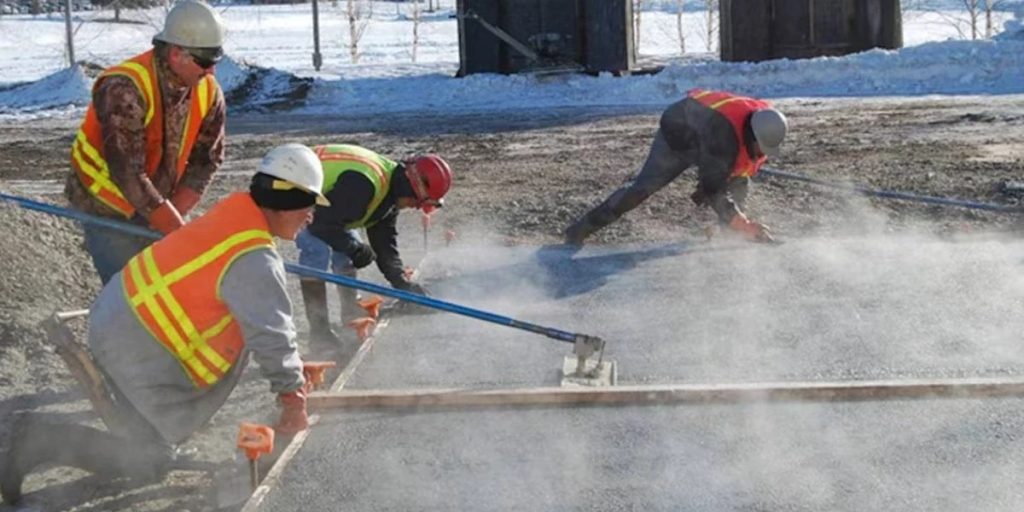
Cold weather exposes stresses within buildings that warmer seasons often hide. As temperatures drop, materials respond differently than they do under normal conditions. Concrete stiffens as internal moisture freezes and expands. Wood fibers contract in the cold, then swell again when thawing begins. These opposing movements place pressure on connections, fasteners, and structural load paths.
While these changes occur gradually, the damage develops silently throughout winter and often remains unnoticed until temperatures rise. That is why structural building inspection becomes essential, as visible surfaces rarely show the full extent of freeze-related strain.
Concrete faces particular risk during repeated freeze and thaw cycles. Water trapped within its pores expands when frozen, pushing outward and forming fine cracks beneath the surface. Over time, these cracks widen and allow deeper moisture penetration.
Early curing during cold conditions also weakens concrete, leaving it less capable of resisting seasonal loads. De-icing chemicals introduce additional stress by accelerating surface scaling and corroding embedded reinforcement. Property condition assessments NJ help identify early warning signs such as flaking, discoloration, and hairline cracking before deterioration spreads through slabs, foundations, or retaining walls.
Wood responds differently, yet structural damage develops quickly. Cold air reduces flexibility within the fibers, making framing, beams, and decking more susceptible to splitting under load. Moisture trapped in wood expands when frozen and forces fibers apart. Repeated cycles lead to warping, cracking, and gradual decay. Snow accumulation against siding or decks increases saturation and prolongs moisture exposure. Indoor conditions also matter, since dry heated air causes additional shrinkage that weakens joints and connections.
These material changes do not remain isolated at the surface. As concrete and wood respond to winter conditions, the structure begins to shift as a whole. Foundations shift slightly during freeze cycles. Sidewalks and driveways heave and pull against attached elements. Roof systems carry heavier loads from snow and ice, transferring stress down through walls and columns. Small defects compound across seasons when left unchecked. A structural engineer NJ evaluates how concrete and wood interact under winter conditions, linking visible symptoms to underlying structural behavior and load distribution.
Professional inspections during or after winter focus on moisture pathways, material condition, and connection stability. Sealing failures, drainage problems, and early cracking receive close attention because they influence long-term performance. Recommendations often involve targeted repairs rather than broad replacement. Timely evaluation helps limit escalation and preserves structural reliability through future winters. Cold weather may be temporary, yet the damage it initiates can remain embedded in a building for years without proper assessment and intervention.
To learn more about winter-related damage affecting concrete and wood structures, check this infographic by Lockatong Engineering.