Is Space Medicine Education the Best Path for Future Research?
Space medicine education is crucial for advancements in health research and astronaut training. Learn more about its importance and future.
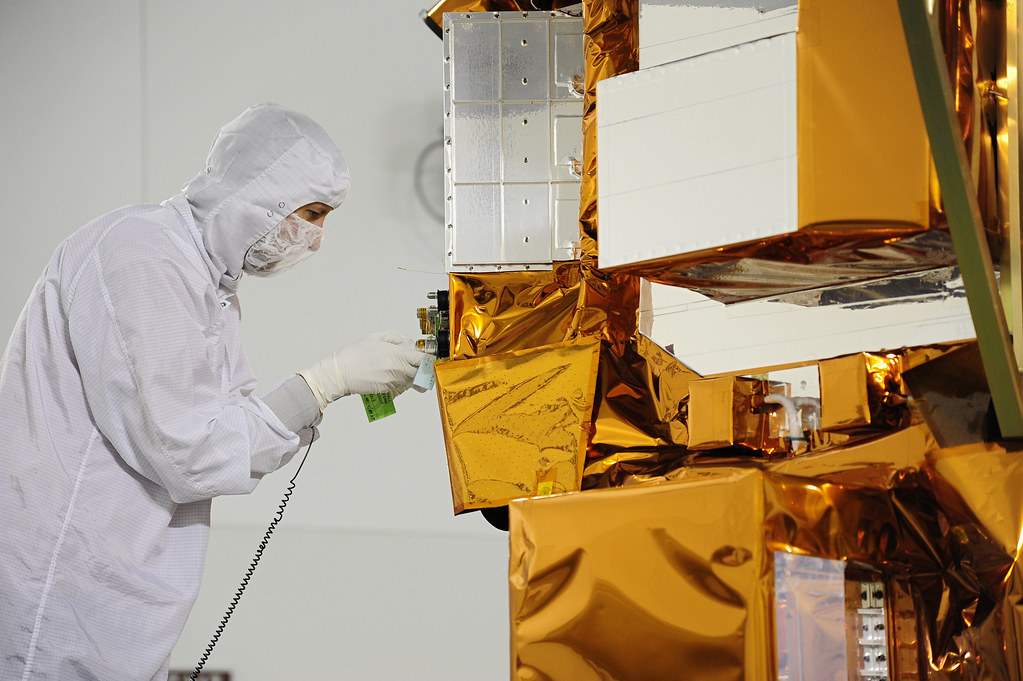
Space medicine education is becoming increasingly vital as Premier Health commits to advancing research at Wright State University. This initiative aims to enhance training for future space missions.
What is Space Medicine Education?
Space medicine education is a specialized field that focuses on the health and medical challenges faced by astronauts during space missions. This discipline encompasses a variety of topics, including the effects of microgravity on the human body, the psychological impacts of long-term isolation, and the development of medical technologies for use in space.
The goal of space medicine education is to prepare healthcare professionals and researchers to tackle the unique challenges posed by human spaceflight. By understanding how space environments affect physical and mental health, experts can create effective countermeasures to ensure the safety and well-being of astronauts.
Key components of space medicine education include:
- Research Opportunities: Engaging in scientific studies related to human physiology in space.
- Training Programs: Developing skills in emergency medical care specific to space missions.
- Interdisciplinary Collaboration: Working alongside engineers, psychologists, and nutritionists to address complex health issues.
As initiatives like those announced by Premier Health at Wright State University show, advancing space medicine education is vital for the future of space exploration.
Importance of Space Medicine in Research
The significance of space medicine education in advancing research cannot be overstated. As humanity prepares for deeper space exploration, understanding the physiological and psychological effects of space travel becomes critical. This specialized field equips future researchers and healthcare professionals with the necessary skills to address the unique challenges posed by microgravity environments.
Key areas of focus in space medicine include:
- Health Monitoring: Developing systems to monitor astronaut health in real-time.
- Psychological Support: Providing strategies to maintain mental well-being during extended missions.
- Nutrition: Creating dietary plans that ensure optimal health in space.
- Rehabilitation: Designing exercises to mitigate muscle and bone loss.
Moreover, the partnership between educational institutions and space agencies fosters innovation. Programs like the one at Wright State University highlight a commitment to cultivating expertise in this emerging field. By investing in space medicine education, we lay the groundwork for groundbreaking research that not only benefits astronauts but also has the potential to improve healthcare on Earth.
Premier Health’s Commitment Explained
In a significant move towards enhancing space medicine education, Premier Health has announced its commitment to support research initiatives at Wright State University in Ohio. This collaboration aims to establish a robust educational framework that prepares students for the unique challenges associated with space travel and the health implications for astronauts.
By investing in space medicine education, Premier Health seeks to create a pipeline of skilled professionals equipped to address the physiological and psychological effects of long-duration space missions. This initiative is particularly timely, considering the increasing interest in space exploration and the potential for human colonization of other planets.
Key components of Premier Health’s commitment include:
- Funding for research projects focused on astronaut health and wellness.
- Partnerships with leading experts in the field of space medicine.
- Development of specialized training programs for medical professionals.
As the U.S. Space Academy selection process unfolds, Premier Health’s dedication to advancing space medicine education could play a pivotal role in shaping future research and ensuring the safety of astronauts on their journeys beyond Earth.
Wright State University’s Role
Wright State University is poised to become a leader in space medicine education, particularly as the U.S. Space Academy selection process unfolds. The institution’s commitment to advancing this specialized field aligns with the growing interest in space exploration and the health challenges faced by astronauts in microgravity environments.
With Premier Health’s backing, Wright State is set to enhance its curriculum and research initiatives focused on space medicine. This partnership aims to foster innovative educational programs that will equip students with the necessary skills to navigate the complexities of health care in space.
Key components of Wright State’s approach include:
- Interdisciplinary Collaboration: Engaging experts from various fields such as aerospace engineering, biology, and medicine.
- Hands-On Training: Providing students with practical experiences through simulations and research projects.
- Community Outreach: Promoting awareness of space medicine education through workshops and public lectures.
As the landscape of space exploration evolves, Wright State University’s role in shaping the future of space medicine education will be critical for both academic and research advancements.
Future of Space Medicine
The future of space medicine is poised for significant advancements, particularly as educational programs gain traction in universities. As the demand for trained professionals in this niche field increases, space medicine education will play a crucial role in shaping the next generation of researchers and specialists.
With organizations like Premier Health committing resources to enhance space medicine education, opportunities for innovative research are expanding. This commitment not only supports academic institutions like Wright State University but also emphasizes the importance of interdisciplinary collaboration among healthcare professionals and scientists.
As humanity sets its sights on long-duration space missions, the need for comprehensive training in space medicine will only grow. Future research will likely explore various areas, including:
- The physiological effects of microgravity on the human body
- Psychological challenges faced by astronauts during deep-space missions
- Development of countermeasures to mitigate health risks in space
In conclusion, space medicine education stands as a vital component of future research endeavors, ensuring that we are well-prepared to tackle the challenges of exploring beyond our planet.
Challenges in Space Medicine Education
Despite the promising prospects of space medicine education, several challenges persist that could hinder its growth and effectiveness. One significant obstacle is the limited availability of specialized training programs. While institutions like Wright State University are making strides, the overall number of comprehensive courses in space medicine remains low, restricting access for aspiring professionals.
Another challenge is the multidisciplinary nature of space medicine, which requires knowledge in various fields such as biology, engineering, and psychology. This complexity can make it difficult for educators to develop a cohesive curriculum that adequately prepares students for the unique demands of working in space environments.
Additionally, funding for space medicine education is often dependent on government and private sector investment, which can fluctuate based on economic conditions and shifting priorities. This instability may deter potential students from pursuing careers in this field, as they may fear limited job opportunities upon graduation.
Finally, there is a need for increased public awareness and interest in space medicine. Engaging the broader community could attract more students to this vital area of research, ultimately enhancing the future of space medicine education and its contributions to human health in space.
How to Get Involved in Space Medicine
For those interested in pursuing a career in space medicine, there are several ways to get involved and make a meaningful impact in this evolving field. First and foremost, aspiring professionals should consider enrolling in specialized programs that focus on space medicine education. These programs often offer interdisciplinary training that combines aspects of medicine, engineering, and space sciences.
Additionally, gaining practical experience through internships or volunteer opportunities with organizations involved in space research can provide invaluable insights. Participating in workshops or conferences related to space medicine can also enhance understanding and foster connections with industry experts.
Networking is crucial; connecting with professionals in the field through social media platforms or professional organizations can open doors to future opportunities. Furthermore, pursuing research projects or collaborations with universities, like Wright State University, which is already making strides in space medicine education, can be beneficial.
Finally, advocating for increased awareness and funding for space medicine initiatives can contribute to the field’s growth. By taking these steps, individuals can position themselves at the forefront of space medicine research and education, helping to address the challenges and opportunities that lie ahead.
By NASA Goddard Photo and Video via Openverse
Read the original
GTA 6: The Best Tips for Safe Gaming · Is the Bipartisan Crypto Tax Bill the Best Chance for Progress? · Samsung Android laptops: Are they the best option for you?