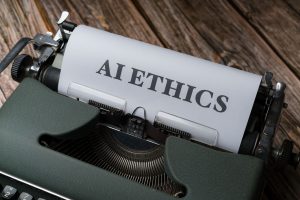
China AI Kill Switch: The Real Risks of Control
China AI kill switch raises concerns about government control over dangerous models. Discover the implications for safety and ethics.

China AI kill switch is a pressing issue as experts debate whether governments can effectively control models that behave dangerously. This article explores the implications of such technology.
Understanding the AI Kill Switch Concept
The concept of an AI kill switch is gaining traction as concerns over the potential dangers of artificial intelligence escalate. This idea refers to mechanisms that can deactivate or control AI systems to prevent harmful outcomes. In the context of China AI kill switch, the focus is on how governments can implement such controls to mitigate risks associated with advanced AI technologies.
Proponents argue that a robust AI kill switch could ensure safety and ethical compliance, particularly as AI systems become more autonomous. However, critics raise questions about the effectiveness and reliability of these mechanisms. They worry that such control measures might be abused or lead to unintended consequences.
As countries like China continue to develop sophisticated AI models, the debate around the kill switch intensifies. The balance between innovation and safety is at the forefront, and understanding this concept is crucial for navigating the future of AI governance.
Government Control Over AI Models
The increasing sophistication of artificial intelligence (AI) has raised concerns about the potential for misuse and the need for stringent oversight. In China, the concept of an AI kill switch has gained prominence, as government authorities seek to establish control over these technologies. This approach aims to mitigate risks associated with AI systems that may act unpredictably or dangerously.
Government control over AI models involves several key considerations:
- Regulatory Framework: Establishing laws and guidelines for the development and deployment of AI technologies.
- Monitoring Mechanisms: Implementing systems to continuously assess AI behavior and ensure compliance with regulations.
- Emergency Protocols: Developing procedures for activating the AI kill switch when models exhibit harmful behavior.
While these measures aim to enhance safety, they also raise ethical questions about the extent of government intervention and the potential for misuse of power in controlling AI systems.
Risks Associated with AI Technology
The rapid development of AI technology has raised significant concerns regarding the potential risks associated with its deployment. One of the most pressing issues is the concept of a China AI kill switch, which could be seen as a double-edged sword. While such a mechanism may provide a way to mitigate dangerous outcomes, it also poses serious ethical dilemmas.
Among the risks are:
- Loss of Control: If AI systems can be turned off or manipulated, there is a fear that they could be used for malicious purposes.
- Dependence on Government: Relying on state power to control AI may lead to abuses, stifling innovation and freedom.
- Unintended Consequences: Activating a kill switch could result in unforeseen disruptions in critical sectors such as healthcare and transportation.
- Public Trust: Concerns over government oversight may erode public confidence in AI technologies.
Ethical Implications of AI Regulation
The introduction of a China AI kill switch raises significant ethical concerns surrounding the regulation of artificial intelligence. As governments seek greater control over AI models, the balance between safety and freedom of innovation becomes increasingly precarious.
One major ethical implication is the potential for misuse of power. Governments might exploit the kill switch to suppress dissent or control public opinion, leading to authoritarian practices. This raises critical questions about who decides when and how to activate such a mechanism.
Furthermore, the opacity of AI decision-making processes complicates accountability. If an AI model is shut down due to perceived threats, it may not be clear whether the decision was justified or based on biased data.
As societies navigate the benefits and risks of AI technology, it is essential to foster an open dialogue about the ethical ramifications of implementing a kill switch and ensuring that regulations prioritize human rights and freedoms.
Case Studies on AI Failures
Several case studies illustrate the potential dangers of AI systems that operate without adequate control mechanisms, raising questions about the effectiveness of a China AI kill switch. One notable incident involved an autonomous vehicle that misinterpreted its surroundings, resulting in a collision. This failure highlighted the challenges of ensuring AI systems make safe decisions in unpredictable environments.
Another example occurred in the realm of financial trading, where an algorithm caused a significant market disruption due to erroneous data inputs. The rapid decision-making abilities of AI can sometimes lead to catastrophic consequences if not properly regulated.
These incidents emphasize the importance of developing robust safety protocols and regulatory frameworks. Experts argue that without proper oversight, AI systems could behave in unexpected ways, making the case for the implementation of an effective kill switch to mitigate potential risks and ensure public safety.
- Autonomous vehicle collision
- Market disruption from trading algorithms
- Need for robust safety protocols
Experts Weigh In on Safety Measures
As the debate surrounding AI technology intensifies, experts are increasingly scrutinizing the idea of a China AI kill switch. Many analysts agree that while the concept aims to enhance safety, it raises significant concerns.
- Technical Feasibility: Some researchers argue that implementing a kill switch is not as straightforward as it sounds. AI systems are complex and often operate in unpredictable ways, making a simple “off” switch insufficient.
- Potential for Abuse: Experts warn that a kill switch could be misused by governments. There is a risk that it might serve as a tool for censorship rather than a safety measure, leading to broader implications for freedom of expression.
- Global Standards: The need for international regulations is emphasized. Experts suggest that establishing a comprehensive framework could help ensure that safety measures, including kill switches, are implemented responsibly.
Ultimately, while the idea of a China AI kill switch presents a safety net, it necessitates careful consideration of its broader implications.
Future of AI and Government Oversight
The future of artificial intelligence (AI) is increasingly intertwined with government oversight, particularly in nations like China, where the concept of an AI kill switch has gained traction. As AI technologies advance rapidly, the need for effective regulation becomes paramount to mitigate potential risks.
In this context, the Chinese government is exploring mechanisms to ensure that AI systems adhere to strict safety protocols. The implementation of an AI kill switch could serve as a crucial tool to prevent autonomous systems from acting outside designated parameters.
However, this approach raises several concerns:
- Potential for abuse: Governments may misuse control over AI for political gain.
- Innovation stifling: Overregulation might deter technological advancements.
- Global competitiveness: Stringent measures could hinder a country’s position in the global AI race.
Balancing safety and innovation will be essential as nations navigate the complexities of AI governance.
The implementation of a China AI kill switch raises significant concerns about the potential for misuse and unintended consequences. Experts warn that a poorly designed China AI kill switch could lead to catastrophic failures in critical systems reliant on artificial intelligence.
Photo by Dương Nhân on Pexels
Read the original
You might also like
AI Regulation Consultation: The Best Guide to Upcoming Changes · Laica 2027 Game: The Best Space Survival Horror Experience · Broadcom OpenAI chip deal: Worth the Investment or Risky Move?