Understanding Why Was My Blood So Dark When Drawn: Exploring Causes
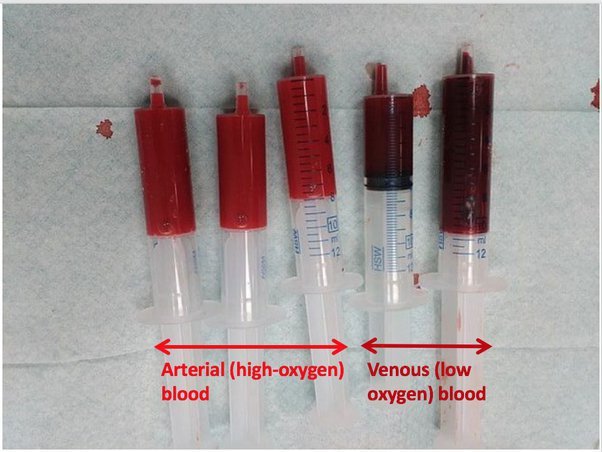
Dark, almost ominous, the sight of your blood when drawn can be a cause for concern. If you are wondering why was my blood so dark when drawn, the answer might lie in its oxygen level. Low oxygenation can give blood a darker hue, indicating potential health issues. Understanding the reasons behind this unsettling observation can shed light on your well-being. Let’s delve deeper into the mysteries of dark blood and what it might reveal about your body’s inner workings.

Why Was My Blood So Dark When Drawn
Welcome, curious minds! Have you ever wondered why your blood looked so dark when it was drawn during a medical test? It’s a common question that many people have after visiting the doctor or a lab for bloodwork. In this comprehensive guide, we will delve into the fascinating world of blood and explore the reasons behind why it appears dark when drawn. So, sit back, relax, and let’s unravel this mystery together!
The Color of Blood
Before we dive into why your blood might seem dark when drawn, let’s first understand the natural color of blood. Blood is typically known for its bright red hue, especially when you get a small cut or scrape. But did you know that blood can actually appear dark in certain situations?
Our blood gets its vibrant red color from a protein called hemoglobin, which contains iron. When hemoglobin binds with oxygen in our lungs, it turns bright red, indicating that it is oxygen-rich and ready to deliver nutrients throughout our body. However, when blood lacks oxygen, it can appear dark red or even purple, which might be the case when it is drawn for testing.
Reasons for Dark Blood
There are several reasons why your blood may look dark when drawn, and it’s essential to understand that it might not always be a cause for concern. Let’s explore some of the common factors that can contribute to the dark appearance of blood during a medical procedure:
Deoxygenated Blood
One of the primary reasons why your blood might appear dark when drawn is due to the lack of oxygen. Deoxygenated blood, which has already delivered oxygen to the body’s tissues and organs, tends to be darker in color compared to oxygen-rich blood. When blood is drawn from a vein, it may not have gone through the lungs to pick up fresh oxygen, leading to its darker appearance.
Blood Clotting
Another factor that can influence the color of drawn blood is the presence of blood clots. When blood begins to clot, it thickens and can look darker than usual. Blood clots are a natural response by the body to prevent excessive bleeding, but they can affect the appearance of the drawn blood, making it appear darker than expected.
Medication or Health Conditions
Certain medications and health conditions can also impact the color of your blood when drawn. For example, individuals taking anticoagulants or blood thinners may notice that their blood appears darker due to the medication’s effects on the clotting process. Similarly, underlying health conditions such as anemia or liver disease can affect the composition of your blood, leading to a darker color upon extraction.
What To Do If You Notice Dark Blood
If you have observed that your blood looks dark when drawn, there is no need to panic. However, it is always a good idea to discuss any concerns with your healthcare provider to rule out any underlying issues. Your doctor can evaluate your medical history, current medications, and overall health to determine if the dark color of your blood is a cause for further investigation.
Remember, our bodies are incredibly complex, and various factors can influence the appearance of our blood during medical tests. By staying informed and proactive about your health, you can better understand the reasons behind why your blood may seem dark when drawn and address any potential issues effectively.
As we wrap up our exploration into why your blood might appear dark when drawn, I hope you have gained valuable insights into this intriguing topic. Remember that while the sight of dark blood can be surprising, it is often a natural occurrence influenced by several factors.
Next time you have blood drawn for testing, you can impress your friends and family with your newfound knowledge about the color of blood and the reasons behind its varying shades. Stay curious, stay informed, and keep exploring the wonders of the human body!
Thank you for joining me on this enlightening journey, and until next time, take care and stay healthy!
Blown Veins 😟 (explained)
Frequently Asked Questions
Why is my blood appearing dark when drawn?
Dark blood color can be due to various reasons, such as increased levels of deoxygenated hemoglobin, which gives blood a darker hue. It may also indicate a higher concentration of carbon dioxide, dehydration, or certain medical conditions affecting blood oxygenation.
What medical conditions can cause blood to appear dark?
Medical conditions like chronic obstructive pulmonary disease (COPD), heart failure, anemia, or certain infections can affect blood oxygen levels, leading to a darker color when drawn. It is advised to consult a healthcare professional for proper evaluation and diagnosis.
Is dark-colored blood something to be concerned about?
While dark blood color alone may not always indicate a severe issue, it is recommended to discuss it with a healthcare provider to rule out any underlying problems. Factors like recent meals, hydration status, or certain medications can also influence blood color, so a proper assessment is crucial.
Final Thoughts
The dark color of your drawn blood may indicate deoxygenation due to conditions like hypoxemia or carbon monoxide poisoning. A lack of oxygen in the blood can make it appear darker than usual. When asking “why was my blood so dark when drawn,” consider consulting a healthcare professional for a thorough evaluation. Monitoring your blood oxygen levels and discussing any concerning symptoms with a doctor can help determine the underlying cause. Remember, early detection and prompt medical attention are vital for managing any potential health issues.