Understanding The Impact: What Happens When You Ignore A Bipolar Person
Ignoring a bipolar person can exacerbate their symptoms and lead to feelings of isolation and distress. What happens when you ignore a bipolar person?…
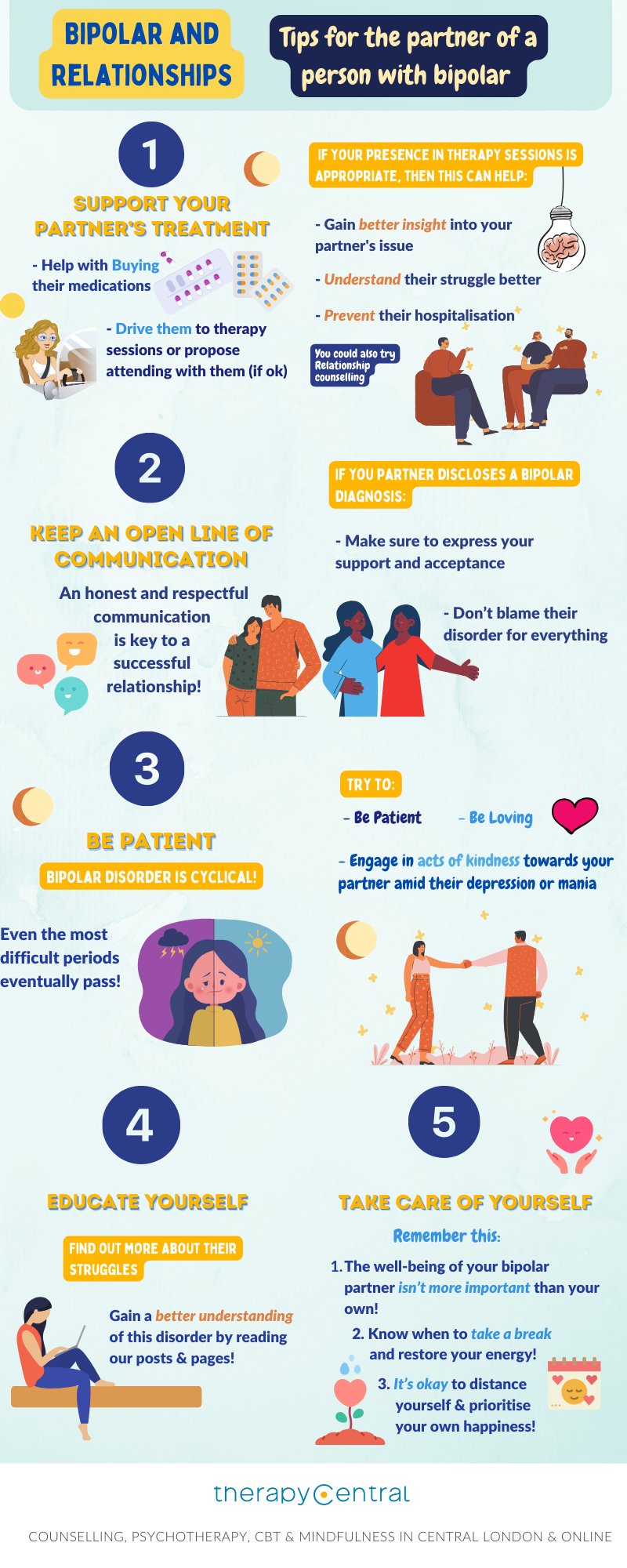
Ignoring a bipolar person can exacerbate their symptoms and lead to feelings of isolation and distress. What happens when you ignore a bipolar person? Communication breaks down, trust diminishes, and their mental health deteriorates. By acknowledging their needs and providing support, you can foster a sense of understanding and connection. Let’s delve deeper into the consequences and explore ways to offer meaningful assistance to individuals living with bipolar disorder.

What Happens When You Ignore a Bipolar Person
Welcome to our blog post where we delve into the important topic of what happens when you ignore a person with bipolar disorder. It’s crucial to understand how ignoring someone with bipolar disorder can impact their mental health and overall well-being. Let’s explore this topic in detail.
The Reality of Bipolar Disorder
Before we dive into the effects of ignoring a person with bipolar disorder, let’s first understand what bipolar disorder is. Bipolar disorder is a mental health condition characterized by extreme mood swings that include emotional highs (mania or hypomania) and lows (depression). These mood swings can affect a person’s relationships, work, and daily life.
Effects of Ignoring a Bipolar Person
When you choose to ignore someone with bipolar disorder, you are dismissing their feelings and emotions. This can have several negative consequences, both for the individual with bipolar disorder and for your relationship with them.
1. Increased Feelings of Isolation
Ignoring a person with bipolar disorder can make them feel isolated and alone. Since bipolar disorder already comes with a stigma, being ignored can amplify these feelings of isolation and loneliness. The person may feel misunderstood and abandoned, leading to a worsening of their symptoms.
2. Escalation of Symptoms
By ignoring someone with bipolar disorder, you may unintentionally trigger a worsening of their symptoms. When a person feels disregarded or invalidated, it can exacerbate their mood swings and lead to more severe episodes of mania or depression. This can be dangerous and detrimental to their mental health.
3. Breakdown of Trust
Ignoring a person with bipolar disorder can damage the trust in your relationship with them. Trust is crucial in any relationship, and when someone feels ignored, dismissed, or not taken seriously, their trust in you can erode. This breakdown of trust can have long-lasting effects on the relationship.
Positive Ways to Support Someone with Bipolar Disorder
Now that we’ve explored the negative effects of ignoring a person with bipolar disorder, let’s shift our focus to positive ways you can support someone with bipolar disorder:
1. Active Listening
One of the most important ways to support someone with bipolar disorder is to actively listen to them. Listen without judgment, offer empathy, and validate their feelings. Showing that you are there for them can make a significant difference in their well-being.
2. Educate Yourself
Take the time to educate yourself about bipolar disorder. Understanding the condition, its symptoms, and treatment options can help you be more empathetic and supportive of your loved one with bipolar disorder.
3. Encourage Treatment
Encourage your loved one to seek professional help and to follow their treatment plan. Whether it’s therapy, medication, or other interventions, supporting their journey to better mental health is crucial.
In conclusion, ignoring a person with bipolar disorder can have detrimental effects on their mental health and well-being. It’s essential to be supportive, understanding, and empathetic towards individuals with bipolar disorder. By offering a listening ear, educating yourself, and encouraging treatment, you can positively impact their journey towards better mental health.
Remember, a little empathy and support can go a long way in helping someone with bipolar disorder feel understood and valued. Let’s strive to create a more compassionate and inclusive environment for individuals with mental health conditions.
What bipolar disorder feels like
Frequently Asked Questions
What are some consequences of ignoring a person with bipolar disorder?
Ignoring a person with bipolar disorder can exacerbate their feelings of isolation, rejection, and loneliness. It may also lead to a worsening of their symptoms, such as increased mood swings, heightened anxiety, or even a potential escalation of risky behaviors.
How can ignoring a bipolar person impact their mental health?
Ignoring a person with bipolar disorder can have detrimental effects on their mental health. It may contribute to feelings of abandonment, trigger depressive episodes, or intensify manic episodes. This lack of support can also hinder their ability to manage their condition effectively.
Is it important to communicate openly with a bipolar individual rather than ignore them?
Yes, it is crucial to communicate openly and supportively with a person who has bipolar disorder. By maintaining open lines of communication, you can help them feel understood, valued, and less alone in their struggles. This can strengthen your relationship with them and positively impact their overall well-being.
How can showing empathy and understanding benefit a person with bipolar disorder?
Showing empathy and understanding to a person with bipolar disorder can foster a sense of trust and connection. It can help validate their experiences, reduce feelings of stigma, and encourage them to seek help when needed. This supportive approach is essential in promoting their mental health and recovery.
Final Thoughts
Ignoring a bipolar person can escalate their symptoms, leading to feelings of isolation and worsened mood swings. Communication breakdown can result in misunderstandings and strained relationships. It is crucial to show understanding and support to prevent a deteriorating mental state. Ignoring a bipolar person can have detrimental effects on their well-being and overall quality of life. Be compassionate and attentive to their needs to promote a positive and healthy environment for everyone involved.