Reducing Infection Risk: How To Give Breaths Safely
Lowering your risk for infection when giving breaths is essential. Proper precautions can mitigate the chances of transmission. By utilizing personal…
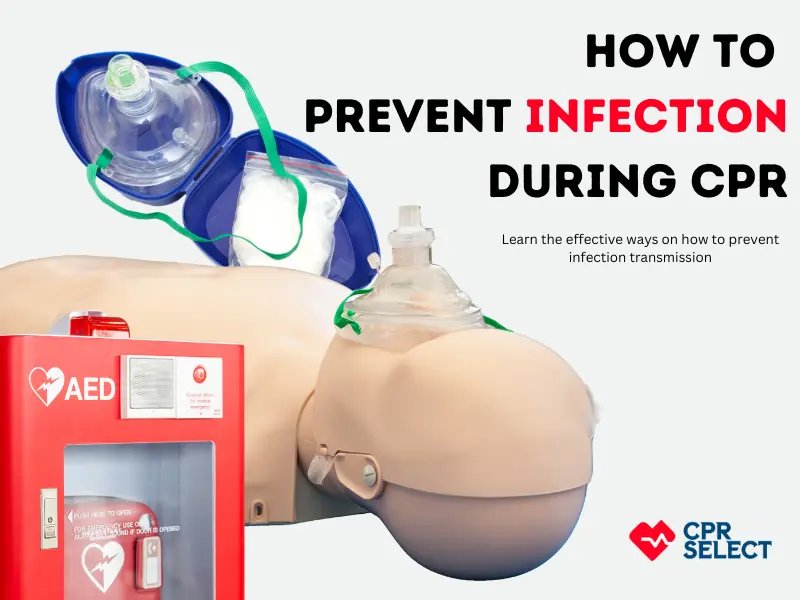
Lowering your risk for infection when giving breaths is essential. Proper precautions can mitigate the chances of transmission. By utilizing personal protective equipment and practicing good hand hygiene, you can safeguard yourself and others. Additionally, ensuring proper ventilation in the area can further reduce the spread of pathogens. Stay informed on best practices to protect yourself and those in your care when giving breaths.

How Can You Lower Your Risk for Infection When Giving Breaths?
Introduction
When it comes to helping someone who is struggling to breathe, giving breaths can be a crucial step in assisting them. However, it’s essential to be mindful of the potential risks of infection, especially in today’s world. In this article, we will explore effective ways to lower your risk for infection when giving breaths, ensuring that you can help others safely and confidently.
Understanding the Risks
Before diving into how to lower the risk of infection, it’s important to understand why this is a concern. When you give breaths to someone who is having difficulty breathing, you are in close contact with their respiratory system. This close proximity can increase the chances of coming into contact with infectious respiratory droplets that may contain viruses or bacteria.
Common Infections
Some common infections that can be transmitted through respiratory droplets include the flu, cold viruses, and even more serious illnesses like COVID-19. These infections can spread rapidly, especially in situations where proper precautions are not taken.
Practical Tips to Lower Your Risk
1. Use Protective Gear
One of the most effective ways to lower your risk of infection when giving breaths is to use protective gear such as gloves and a mask. Gloves can help prevent direct contact with bodily fluids, while a mask can act as a barrier against inhaling respiratory droplets.
2. Maintain Proper Hygiene
Before and after giving breaths, it’s essential to wash your hands thoroughly with soap and water. Proper hand hygiene can help prevent the spread of germs and reduce the risk of infection. Encourage the person you are assisting to do the same if possible.
3. Limit Exposure Time
While providing assistance, try to limit the amount of time you spend in close contact with the person’s respiratory system. The longer the exposure, the higher the risk of coming into contact with infectious droplets. Be efficient and focused when giving breaths.
4. Clean and Disinfect Equipment
If you are using any equipment to assist with giving breaths, make sure to clean and disinfect it properly after each use. This can help prevent the buildup of harmful bacteria and viruses on the equipment, reducing the risk of infection for both you and the person you are helping.
Additional Precautions
1. Stay Informed
It’s essential to stay informed about the latest guidelines and recommendations regarding infection control when giving breaths. Stay updated on best practices and be willing to adapt your approach as new information becomes available.
2. Seek Training
If you frequently find yourself in situations where you need to give breaths, consider seeking training in infection control and proper respiratory assistance techniques. This can equip you with the necessary skills to lower your risk of infection effectively.
By following these practical tips and being mindful of the risks involved, you can lower your risk of infection when giving breaths. Remember that your safety and the safety of others are top priorities, so don’t hesitate to take the necessary precautions. With proper hygiene, protective gear, and awareness, you can provide assistance confidently and safely.
COPD stages explained #copd #lungdisease #pulmonaryrehabilitation
Frequently Asked Questions
How can proper hand hygiene help lower the risk of infection when giving breaths?
Proper hand hygiene, including washing hands with soap and water or using hand sanitizer, is critical in preventing the spread of infections. By ensuring your hands are clean, you reduce the likelihood of transferring harmful germs to the patient while providing breaths.
What role does using personal protective equipment (PPE) play in reducing infection risk during breaths?
Using appropriate PPE, such as gloves and a face mask, creates a barrier between you and the patient, minimizing the chances of exposure to infectious agents. This added protection is essential, especially when giving breaths to individuals with unknown health conditions.
How does maintaining a safe distance from the patient help in lowering infection risk while providing breaths?
Keeping a safe distance from the patient when giving breaths can reduce the chances of direct transmission of germs. By maintaining a reasonable distance, you decrease the likelihood of inhaling respiratory droplets that may contain infectious pathogens, thus lowering the risk of infection.
Final Thoughts
In conclusion, lowering your infection risk when giving breaths is crucial. Proper hand hygiene, using personal protective equipment, and ensuring proper ventilation are key practices to protect yourself and others. Additionally, staying up-to-date on infection control guidelines and receiving necessary vaccinations can further reduce the risk. Always prioritize safety and take necessary precautions to reduce the spread of infections when giving breaths.